Waqf
Dr. Tanmoy Mukherji
Advocate
Waqf-
Tanmoy Mukherji
Advocate
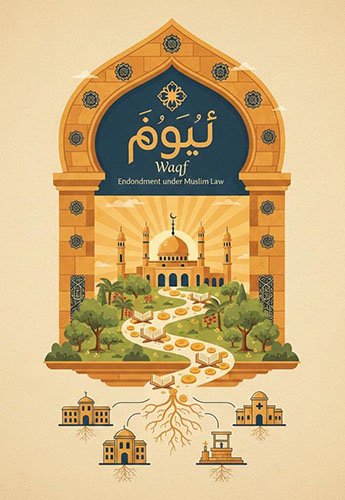
The word "Waqf" literally means detention, tying up or stopping. In Muslim law, it signifies the permanent dedication of property to Almighty Allah, the usufruct of which is used for religious, pious or charitable purposes.
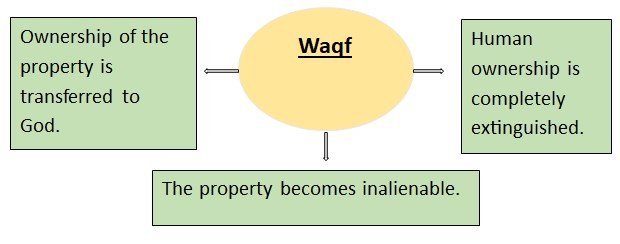
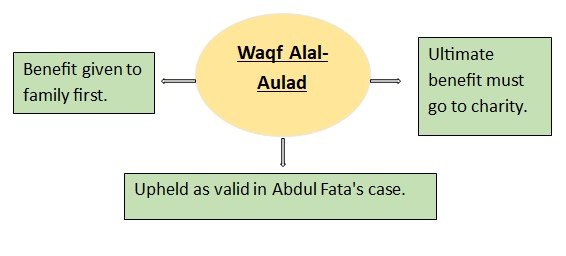
-In Abdul Fata Mohamed Ishak Vs. Russomoy Dhur Chowdhury (1984), it was held that waqf is the permanent dedication of property by a Muslim for the purposes recognised by Muslim Law as religious, pious or charitable.
-According to Sec 3(r), of Waqf Act, 1995, waqf means permanent dedication by a person professing. Islam of any movable or immovable property for any purpose, recognised by Muslim Law as religious, pious or charitable.
Essential Conditions of valid Waqf-
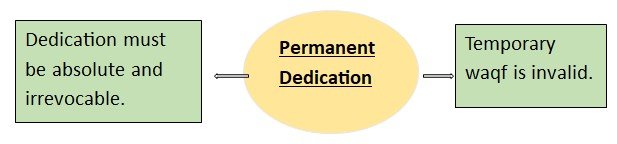
i) Permanent dedication -
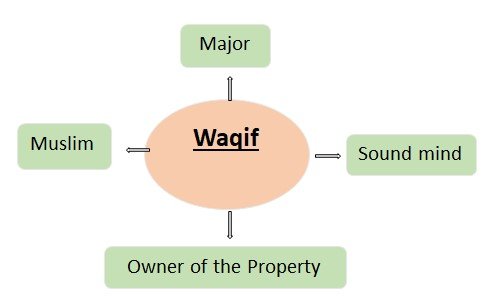
ii) Dedicator (Waqif) –
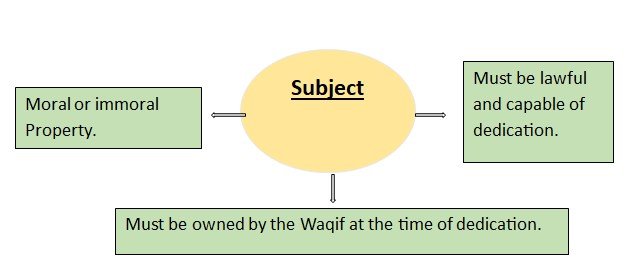
iii) Subject matter of Waqf-
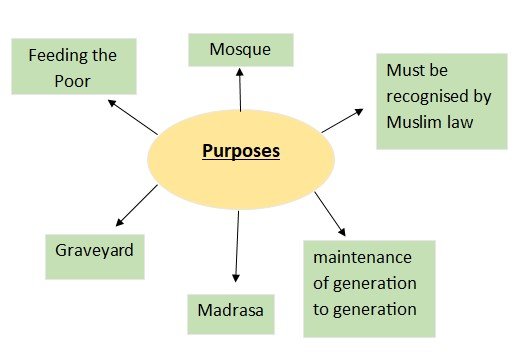
iv)Purpose of Waqf-
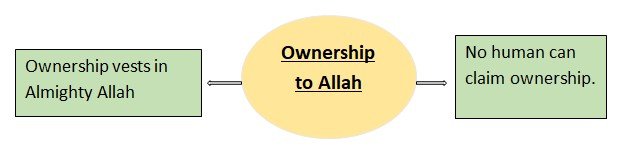
v) Transfer of ownership to Allah-
Types of Waqf-
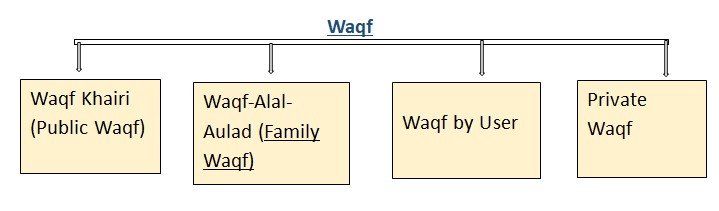
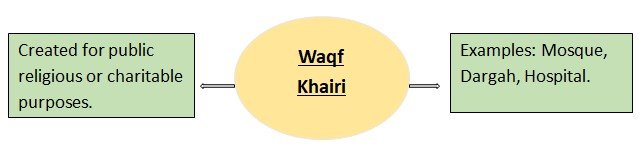
1. Waqf Khairi (Public/Charitable Waqf)-
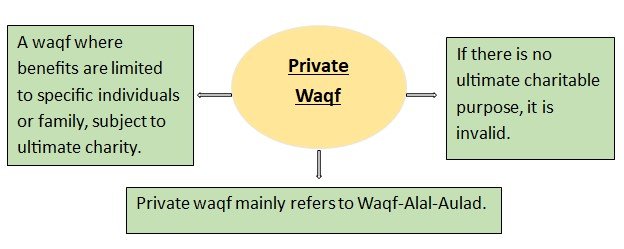
2. Waqf Alal-Aulad (Private/Family Waqf)-
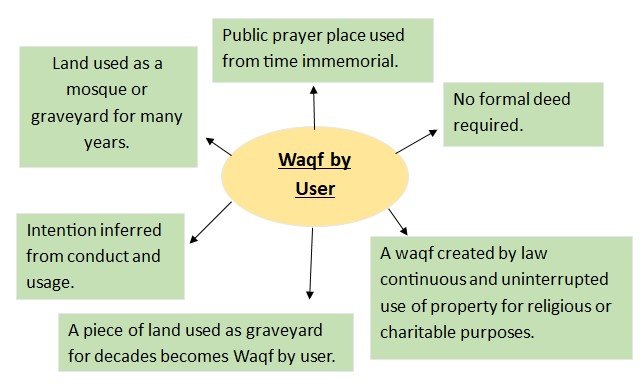
3. Waqf by User (Usage-based Waqf)-
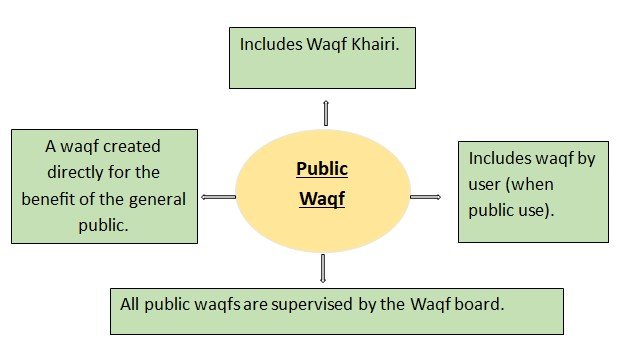
4. Public Waqf-
5. Private Waqf-
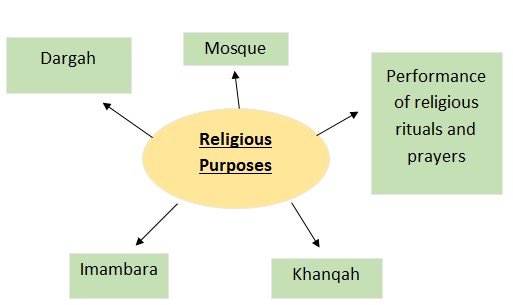
Waqf for Religious Purposes-
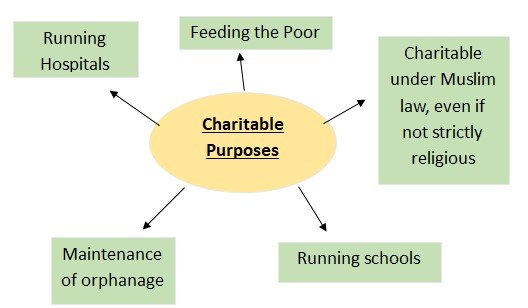
Waqf for Charitable Purposes-
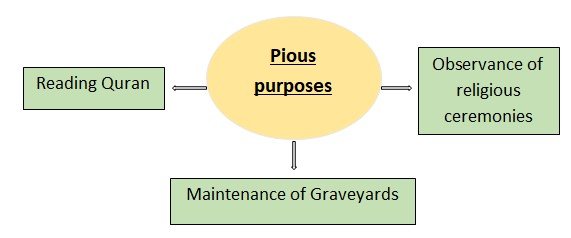
Waqf for Pious purposes-
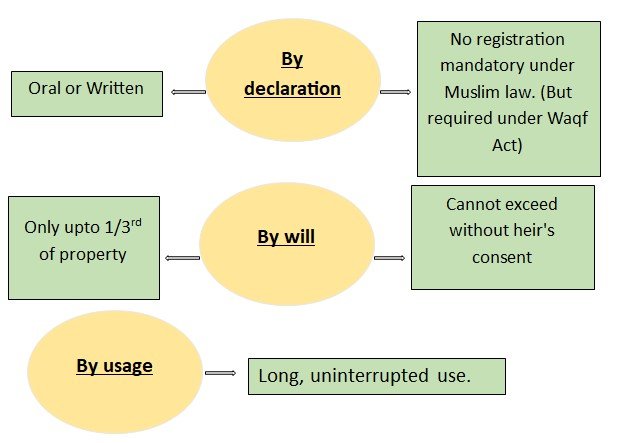
Creation of Waqf-
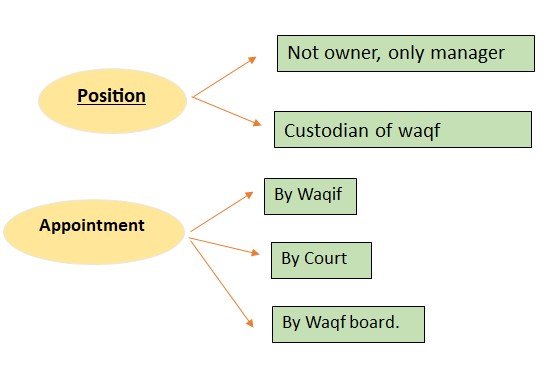
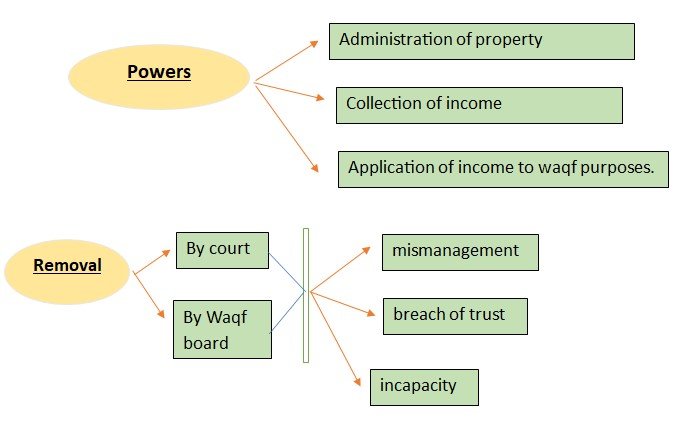
Mutawalli (Manager of Waqf)-
Reference Case-
In Mohd. Ismail V. Thakur Sabir Ali, it was held that Mutawalli has no ownership right.
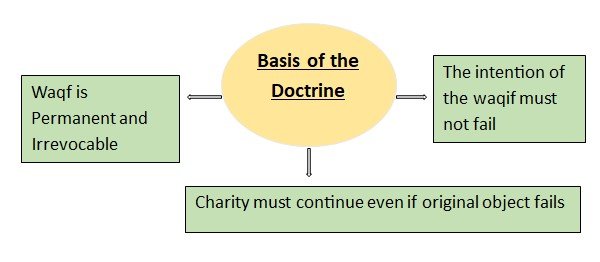
Doctrine of Cy-pres-
The term 'Cy-pres' is derived from the French expression 'Cy-pres comme possible' meaning "as near as possible".
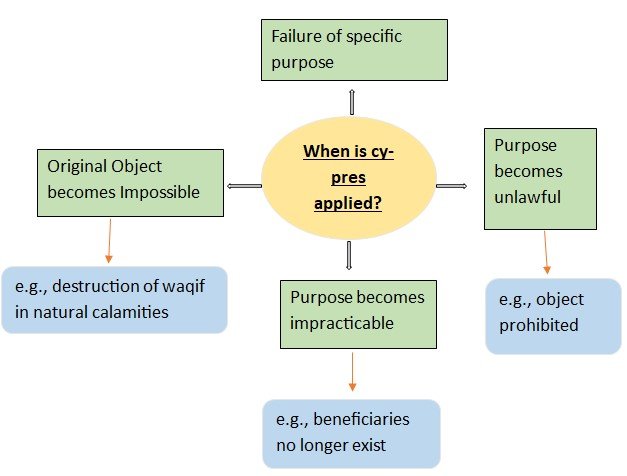
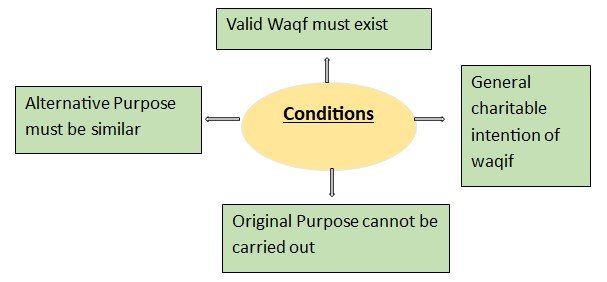
In Muslim Law, the doctrine of cy-pres means when the original purpose of waqf become impossible, impracticable or unlawful, the income or property of waqf should be applied to a purpose as near as possible to the original object of the waqf.
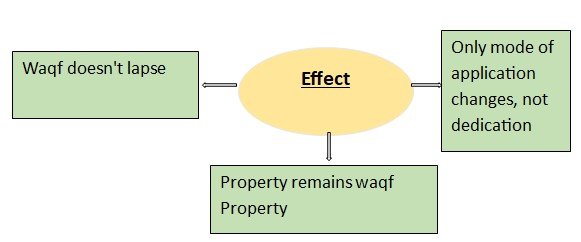
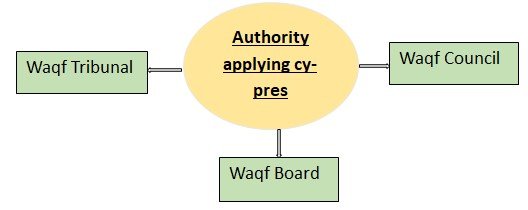
The Doctrine allows the court or waqf board to modify the application of waqf property while preserving the charitable intention of the waqif.
Reference Case-
-Abdul Fatal Mohd. Ishak Vs Russomoy Dhur Chowdhury (1894).
-Mohd. Ismail Arif Vs Ahmed Moollah Dawood.

we believe in a holistic approach to legal education building not just lawyers, but socially conscious leaders of tomorrow.
