Dr. Tanmoy Mukherji
Advocate
TRADE SECRETS –
Tanmoy Mukherji
Advocate

Meaning-
A trade secret is any confidential business information that provides a company with a competitive advantage and is not known to the public.
It includes-
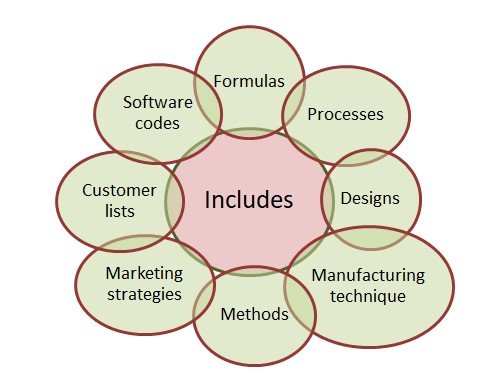
A trade secret must be-
1. Secret
2. Commercially valuable
3. Protected through reasonable steps by the owner
Legal Position in India-
India does not have a specific Trade Secrets Act, but protection arises from-
→Contract law (Non-Disclosure Agreements, confidentiality clauses)
→Equity (breach of trust or confidence)
→Common law principle of "breach of confidence"
→Indian courts treat trade secrets as property of the business.
Features of Trade Secrets-
1. No Registration Required-
Protection begins automatically as long as secrecy is maintained.
2. Unlimited Duration-
Protection lasts as long as the information remains secret.
3. Low cost-
Only confidentiality measures needed.
4. Protection against-
-Theft
-Breach of contract
-Industrial espionage
-Misappropriation
-Unauthorized disclosure.
What Cannot Be a Trade Secret?
→Publicly known information
→Reverse-engineered information
→Information easily available or obvious
→Information disclosed without confidentiality protection.
Remedies for Misappropriation-
When someone steals or leaks a trade secret, the owner may seek-
Civil Remedies-
→Injunction (temporary/permanent)
→Damages
→Return/destruction of confidential material
→Account of profits
Criminal Remedies-
Depending on the act-
→Theft under IPC
→IT Act provisions (for data theft).
Examples of Famous Trade Secrets-
→Coca-Cola formula
→KFC's blend of 11 herbs & spices
→Google’s search algorithm
→Lijjat Papad recipe
→Customer database of any company.
Difference between Trade Secret and Patent-
|
Trade Secret |
Patent
|
|
Must be kept secret. |
Must be publicly disclosed. |
|
No registration needed. |
Registration compulsory. |
|
Protection lasts indefinitely. |
Protection for 20 years. |
|
Vulnerable to reverse engineering. |
Legal monopoly.
|
|
Cheaper and faster. |
Expensive and lengthy process. |
Important Case Laws (India)-
1. Zee Telefilms Ltd. v. Sundial Communications Pvt. Ltd. (2003)-
Court protected confidential film concept shared under trust.
2. American Express Bank Ltd. v. Priya Puri (2006)-
Employee cannot take customer lists or confidential data when changing jobs.
3. Niranjan Shankar Golikari v. Century Spg. & Mfg. Co. (1967)
Upheld confidentiality clauses during employment.
How to Protect Trade Secrets in Business-
→Use NDAs with employees & vendors.
→Limit access to confidential data.
→Use password protection & encryption.
→Mark documents as “confidential”.
→Create internal confidentiality policies.
→Employee exit interviews + non-solicitation clauses.

we believe in a holistic approach to legal education building not just lawyers, but socially conscious leaders of tomorrow.
