Sentencing
Dr. Tanmoy Mukherji
Advocate.
Sentencing-
Tanmoy Mukherji
Advocate

Sentencing is the final and decisive stage of criminal proceedings. After conviction, the court determines the nature and quantum of punishment to be imposed on the offender. In penology, sentencing reflects society's response to crime and aims to balance Justice, deterrence, reformation and social protection.
Sentencing is the judicial determination of punishment awarded to a convicted person in accordance with law, considering the gravity of the offence, circumstances of the crime and the offender's personality.
Theories of Sentencing-
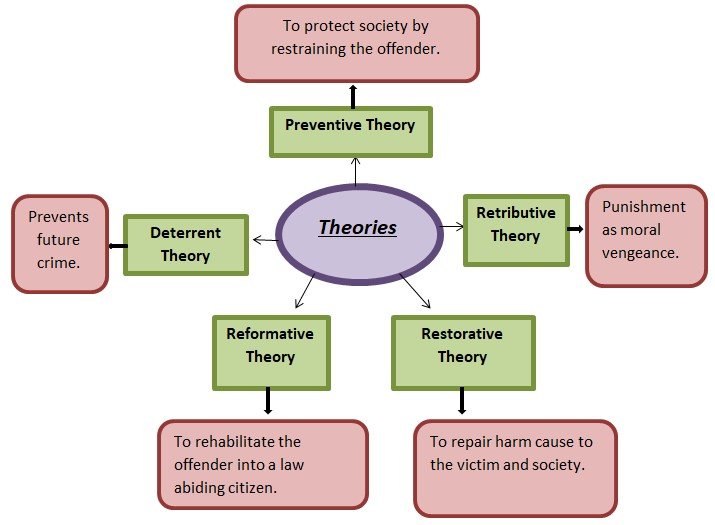
Sentencing as a function of Penology-
Penology studies-
→Punishment
→Prison System
→Rehabilitation
→Treatment of offenders.
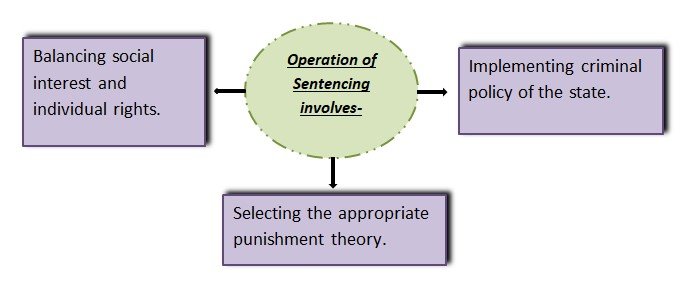
Principals of Sentencing-
Sentencing principals are judicial guidelines evolved to ensure that punishment is fair, just, reasonable and consistent with constitutional values and penological objectives.
They prevent arbitrariness and vengeance in punishment.
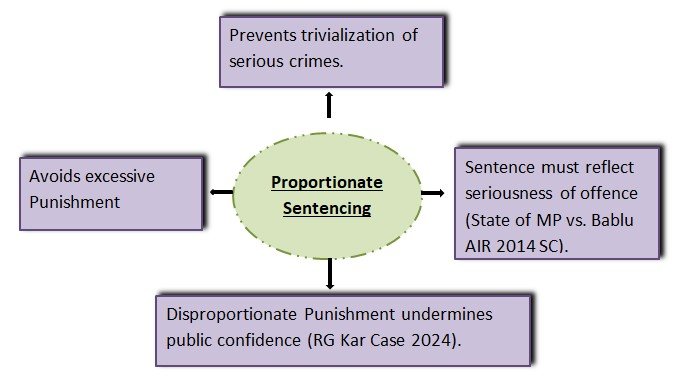
Principal of Proportionality –
The punishment must be commensurate with the gravity of the offence and degree of culpability.
Principal of Individualization of Sentence-
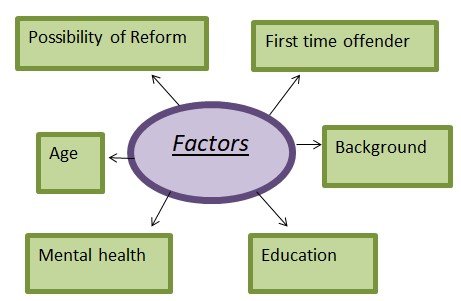
Punishment should be tailor-made considering the offender's personal circumstances.
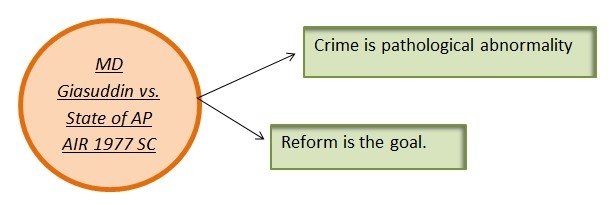
Reference Case-
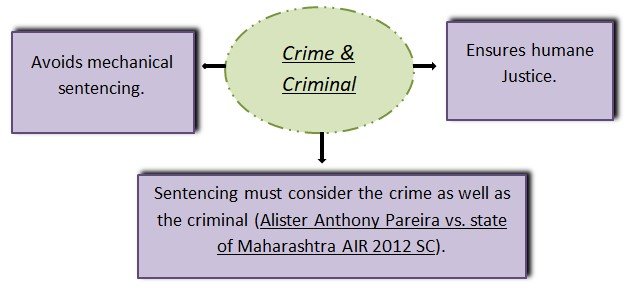
Principal of crime and criminal -
Courts must assess both the offence and the offender.
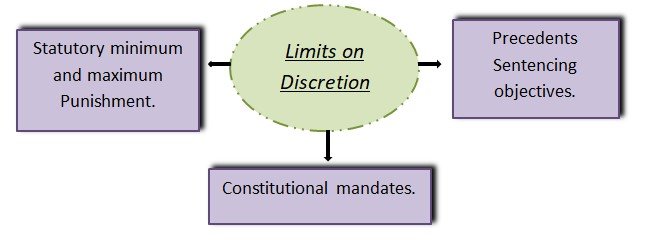
Principal of Judicial Discretion –
Judges enjoy discretion within statutory limits, but it must be reasoned and principled.
Reference Case-
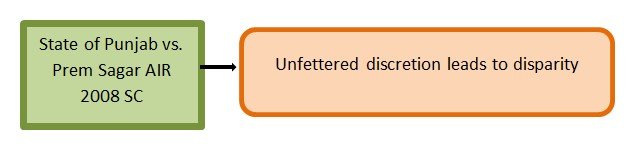
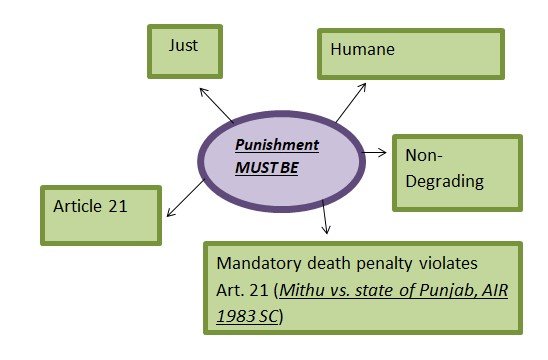
Principled of fairness, reasonableness and dignity -
Principle of Deterrence-
→Applicable in economic offences
→Applicable in white collar crimes
→Applicable in corruption cases
→The punishment must discourage the offender
→The punishment must discourage the society
→Leniency in economic offences is misplaced (State of Gujarat vs. Mohanlal Jitamalji (1987)
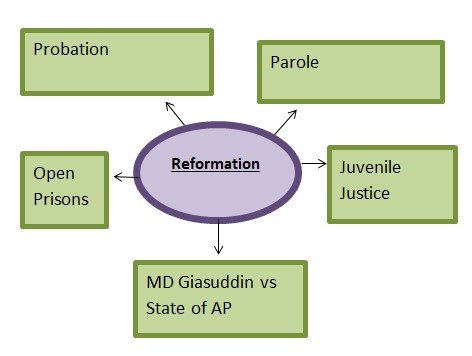
Principle of Reformation-
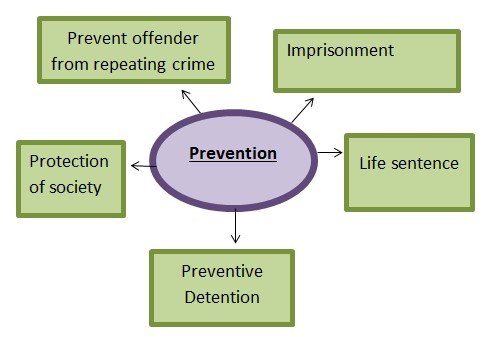
Principle of Prevention-
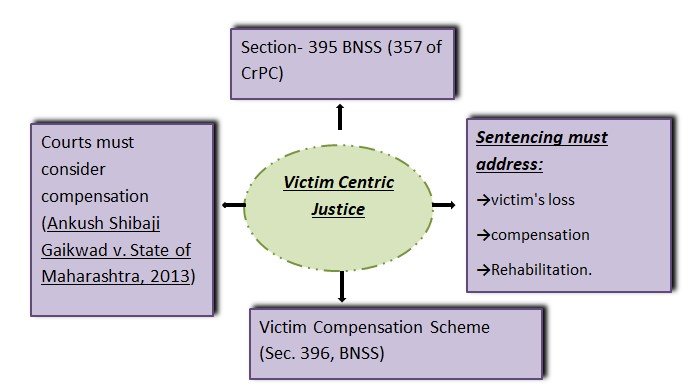
Principle of Victim Centric Justice-
Rarest of Rare principle-
→Death penalty only when life imprisonment is insufficient
→Aggravating circumstances
→Mitigating circumstances
→No possibility of reform
Machi Singh vs. State of Punjab AIR 1983, SC
Bacchan Singh vs. State of Punjab AIR 1980, SC
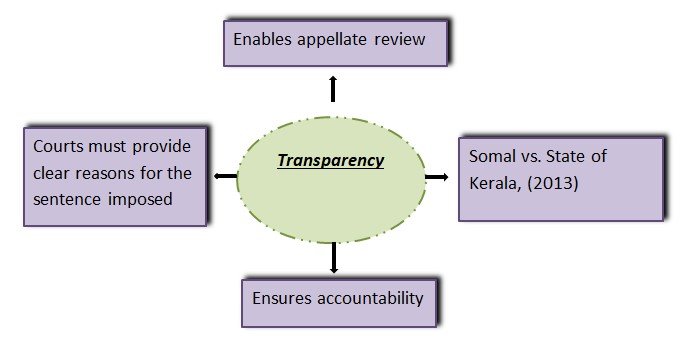
Principle of sentencing transparency-
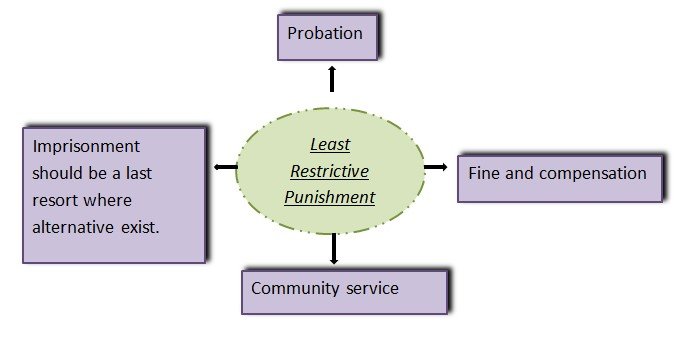
Principle of Least Restrictive Punishment-

we believe in a holistic approach to legal education building not just lawyers, but socially conscious leaders of tomorrow.
