ROLE OF PAROLE IN CRIMINOLOGY
Dr. Tanmoy Mukherji
Advocate
ROLE OF PAROLE IN CRIMINOLOGY-
Tanmoy Mukherji
Advocate
Introduction-
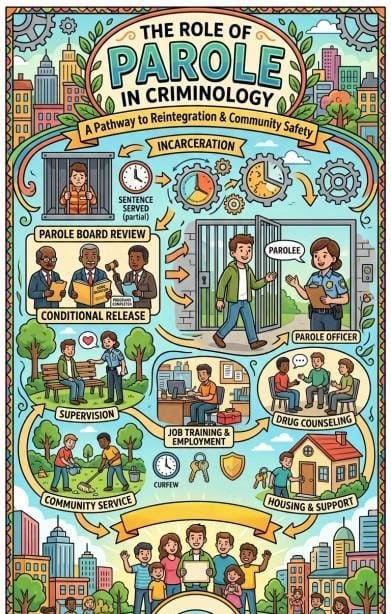
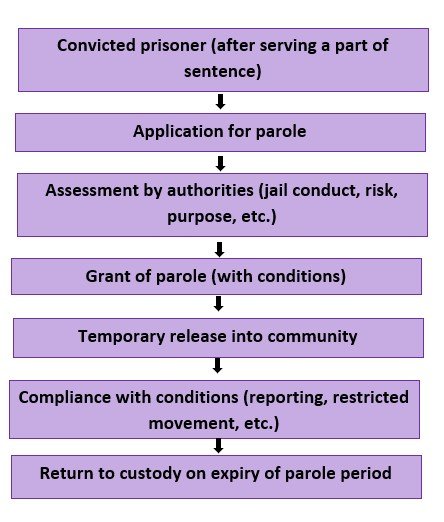
→Parole is a conditional and temporary release of a prisoner from custody before the completion of the full sentence, subject to terms and conditions.
→It is not a matter of right, but a privilege granted by the appropriate government or competent authority according to law.
→Parole reflects the reformative and humanitarian approach to punishment and is an important part of modern correctional policy.
→It allows the offender to spend a limited period in the community while remaining under legal supervision and with the obligation to return to custody.
Concept and Working-
Objectives of Parole-
❖To provide temporary release for legitimate purposes.
❖To maintain family and social ties.
❖To facilitate rehabilitation and reintegration.
❖To allow participation in important family, medical or humanitarian matters.
❖To reduce institutionalisation and the adverse effects of prolonged imprisonment.
❖To assess the offender's behaviour in community settings.
❖To promote a gradual transition from prison life to normal social life.
Humanitarian Function-
Parole allows prisoners to attend to important family and humanitarian needs-

Rehabilitation and Reintegration
Parole supports the reformative goal of corrections by helping the offender to maintain and rebuild social relationships.
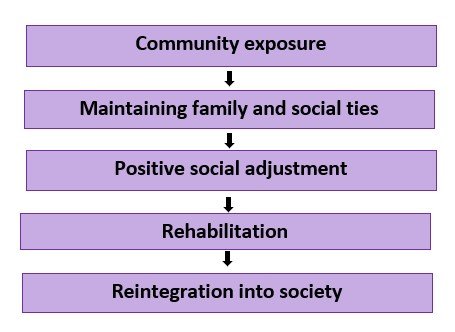
Helps the offender resume a normal social role and reduces the risk of future offending.
Prevention of Recidivism-
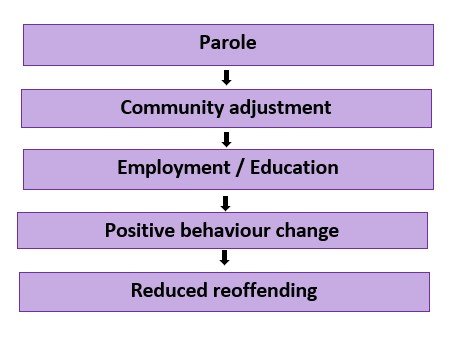
Parole can reduce recidivism by allowing the offender to gradually readjust to the community, access support systems and strengthen legitimate life opportunities.
Individualised Assessment-
Grant of parole generally depends on a case-by-case assessment, including:
→Nature of offence
→Jail conduct and behaviour
→Length of sentence already undergone
→Risk of absconding or reoffending
→Purpose and necessity
→Personal, family and social circumstances
→Prospects of rehabilitation
Testing Behaviour in Community-
Parole provides an opportunity to observe the offender's conduct in a real-life community environment.
It acts as a transition stage between prison and full release and helps assess readiness for permanent reintegration.
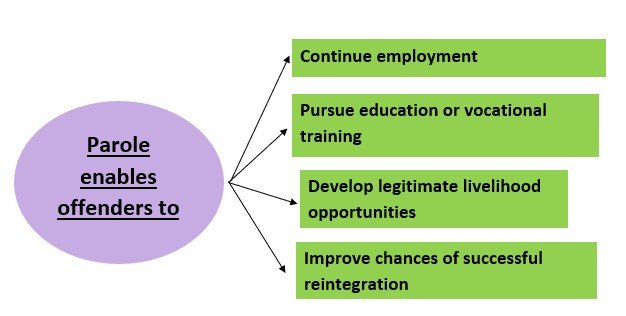
Maintaining Employment and Education-
Reducing Prison Overcrowding-
Appropriate use of parole can ease prison population by allowing temporary release of suitable prisoners, without compromising public safety.
However, parole should be granted on individual merit and not merely as an administrative measure to reduce numbers.
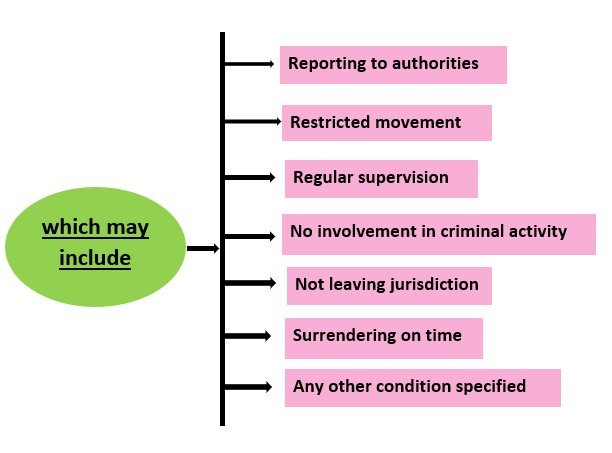
Conditions of Parole-
Parole is subject to various conditions-
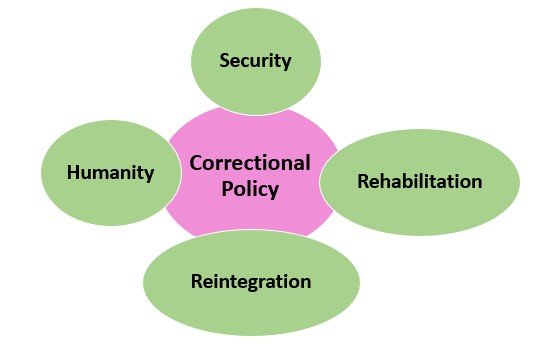
Role in Correctional Policy-
Parole is an important component of a progressive and humane correctional policy, combining control with opportunity for reformation.
Judicial Perspective in India-
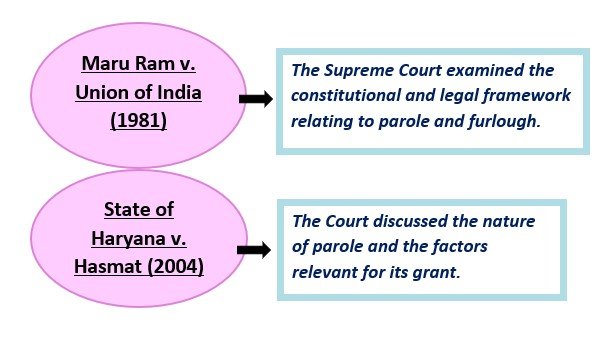
The Courts have recognised that parole is not a matter of right, but a discretionary measure to be granted according to law and on relevant considerations.
Limitations and Concerns-
→Risk of misuse or abuse.
→Possibility of absconding.
→Public safety concerns in serious cases.
→Need for proper risk assessment and supervision.
→Not suitable for all categories of offenders (e.g., serious violent offences).
Parole vs Furlough-
|
Parole |
Furlough
|
|
Granted for specific and serious reasons |
Granted as a periodic relief |
|
Usually for unforeseen or special circumstances |
Granted at regular intervals |
|
Shorter duration depending on need |
Fixed duration as per rules (e.g., 2-4 weeks)
|
|
More exceptional |
More routine
|
Conclusion-
Parole plays a significant role in criminology and correctional administration. It supports the rehabilitation and reintegration of offenders, maintains family and social ties, reduces prison overcrowding and provides an opportunity to assess behaviour in the community, thereby contributing to a more humane, effective and balanced criminal justice system.

we believe in a holistic approach to legal education building not just lawyers, but socially conscious leaders of tomorrow.
