ROLE OF CRIMINOLOGY IN SENTENCING-
TANMOY MUKHERJI INSTITUTE OF JURIDICAL SCIENCE
Dr. Tanmoy Mukherji
Advocate
ROLE OF CRIMINOLOGY IN SENTENCING-
Tanmoy Mukherji
Advocate

Introduction-
→Criminology is the scientific study of crime, criminals, criminal behaviour, victims and society's response to crime.
→Sentencing is not merely about imposing punishment, but also concerns deterrence, prevention, reformation, rehabilitation and protection of society.
→Criminology provides a scientific and theoretical foundation for individualised, proportionate, rational and reform-oriented sentencing.
Criminology and Sentencing-
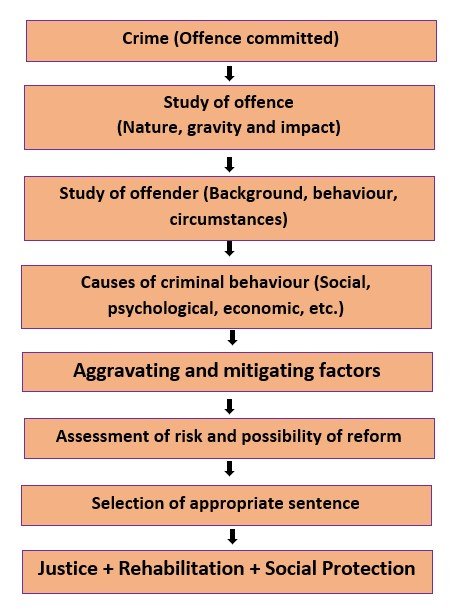
Understanding the Offender-
Criminology helps in examining the individual behind the offence,
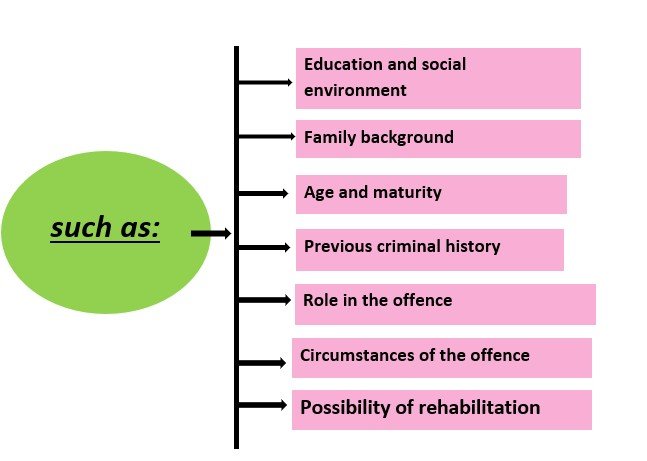
Supports the principle of individualisation of punishment—different offenders may require different sentencing responses even for similar offences.
Understanding the Causes of Crime-
Criminological theories examine factors associated with offending,
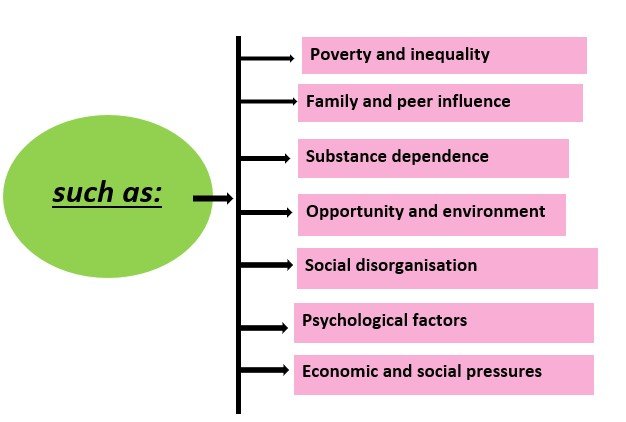
Understanding these factors does not excuse criminal conduct, but assists in determining an appropriate penal response.
Sentencing Philosophies-
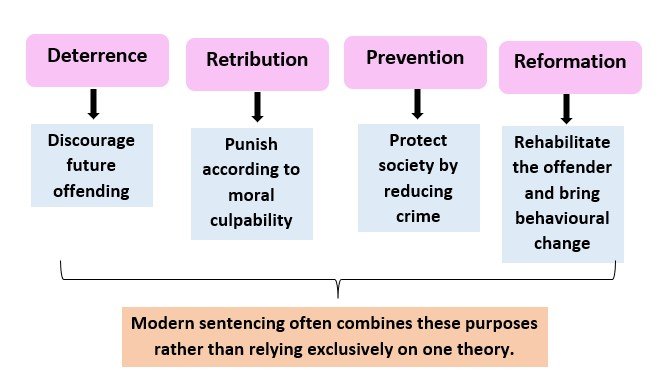
Criminology explains the main theories of punishment:
Principle of Proportionality-
Punishment should bear a reasonable relationship to the gravity of the offence and the culpability of the offender.
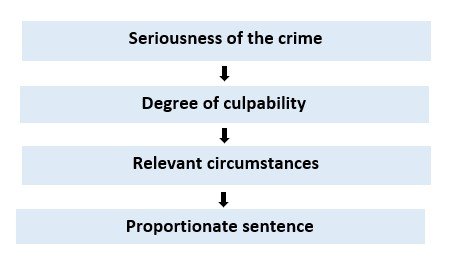
Excessively harsh punishment may be unjust, while an inadequately severe sentence may fail to reflect the seriousness of the offence.
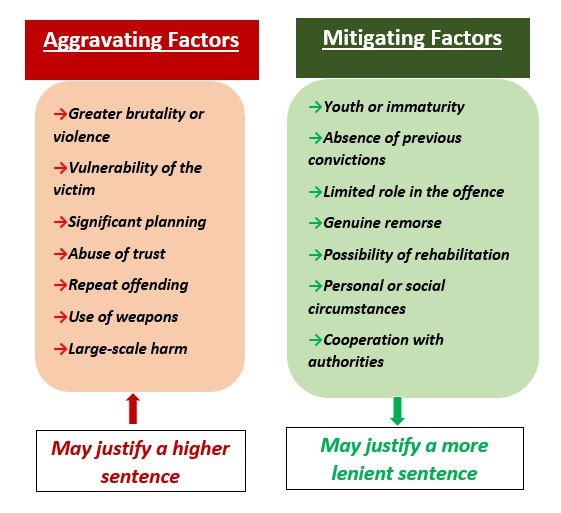
Aggravating and Mitigating Circumstances-
Rehabilitation and Reformation-
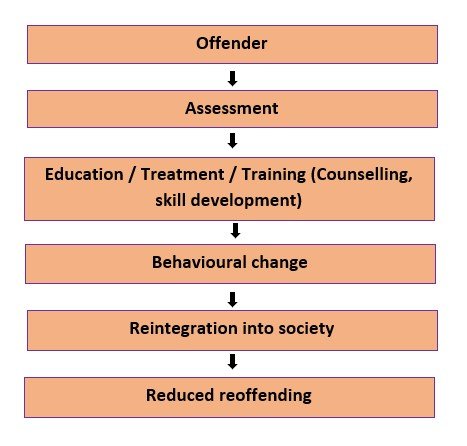
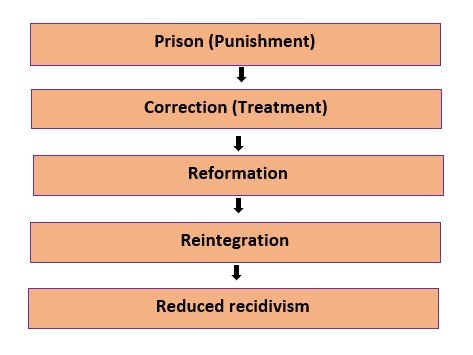
Criminology supports a reformative approach where legally appropriate, so that the offender can return to society as a law-abiding person.
Recidivism and Risk Assessment-
Criminology studies recidivism (repeated offending) and helps in assessing the likelihood of future risk.
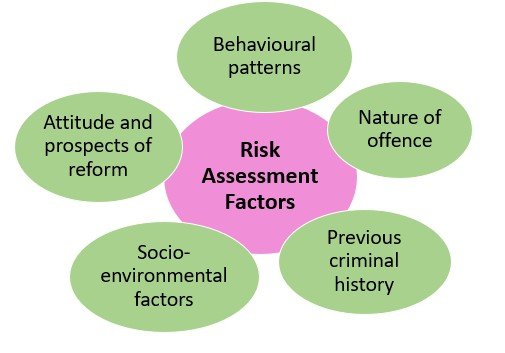
However, risk assessment should not replace judicial judgment or permit punishment based merely on speculation.
Probation and Community-Based Measures-
Criminological research supports alternatives to imprisonment in appropriate cases,

These measures are useful where imprisonment is unnecessary for public protection and rehabilitation can be effectively achieved in the community.
Sentencing of Juvenile Offenders-
Developmental criminology recognises that children differ from adults in maturity and capacity for change.
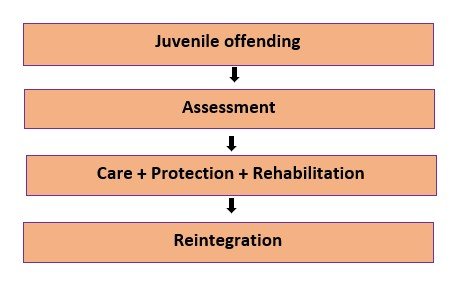
Emphasis is on reformative and rehabilitative approach rather than purely punitive measures.
Victimology and Sentencing-
Victimology highlights the harm suffered by victims and their needs.
→Nature and extent of harm
→Impact on victim and family
→Victim protection
→Compensation or restitution (where authorised)
→Restorative objectives
Helps ensure that victim's interests are considered in an appropriate manner in sentencing.
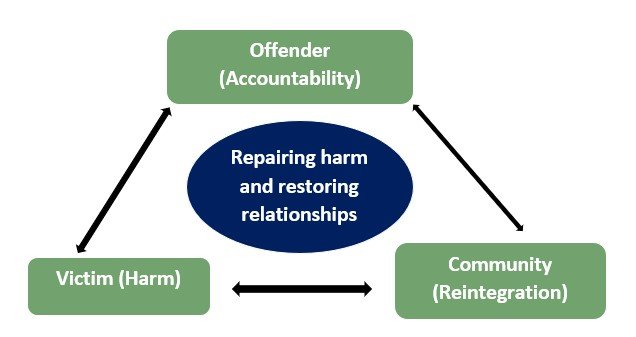
Restorative Justice-
Criminology contributes to restorative justice, which focuses on repairing harm where appropriate.
Prison Sentences and Correctional Policy-
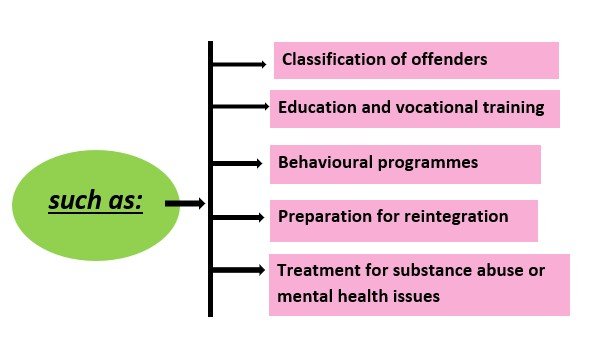
When imprisonment is necessary, criminology helps inform correctional approaches
Evidence-Based Sentencing Policy-
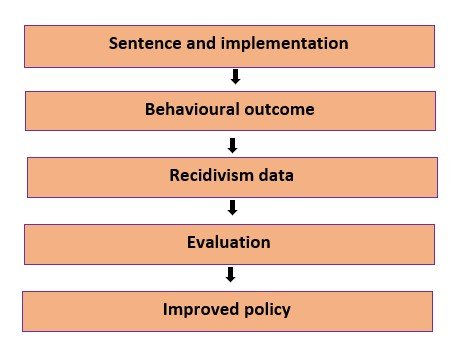
Criminological research can evaluate whether particular sanctions reduce offending.
Judicial Perspective in India-
Conclusion-
Criminology gives sentencing a scientific, human-centred and evidence-informed foundation. It helps in understanding the offence, offender, victim and causes of criminal behaviour, and supports proportionate punishment, rehabilitation, deterrence and public protection, leading to a more just and effective criminal justice system.

we believe in a holistic approach to legal education building not just lawyers, but socially conscious leaders of tomorrow.
