Protection of Plant Varieties and Farmers’ Rights Act, 2001 (PPVFR Act)
Dr. Tanmoy Mukherji
Advocate
IPR MANAGEMENT
TANMOY MUKHERJI
[ADVOCATE]
Protection of Plant Varieties and Farmers’ Rights Act, 2001 (PPVFR Act): -

The protection of Plant Varieties and Farmers’ Rights Act, 2001 is a landmark legislation enacted by the Govt. of India to provide a legal framework for the Protection of Intellectual Property Rights in plant varieties.
It came into force on 3rd September, 2001 and is administered by the Protection of Plant Varieties and Farmers’ Rights Authority under the Ministry of Agriculture and Farmers’ Welfare.
This Act was introduced in response to India’s obligations under the World Trade Organization’s TRIPS Agreement, which mandates its members to protect Plant Varieties either by Patents or by an affective SUI GENERIS (Unique) System. India chooses to adopt SUI GENERIS System to Agricultural Context.
Objective (Importance): -
Stimulate research and innovation in plant breeding by both public and private sectors.
promote the use of superior plant varieties that enhance productivity and sustainability.
Provide a formal process for the registration of new, extant, Essentially Derived Plant Varieties (EDVs).
Ensure that communities of individual to contribute traditional knowledge or generic material are fairly rewarded.
Protect bio-diversity by recognising the importance of local and indigenous varieties.
Fulfil India’s obligation under the WTO- TRIPs Agreement by creating a SUI GENERIS System for plant variety protection.
Deter unauthorised exploitation of India’s rich plant genetic heritage and traditional Knowledge.
Support the conservation and sustainable use of genetic resources and funs benefit sharing and farmer compensation.
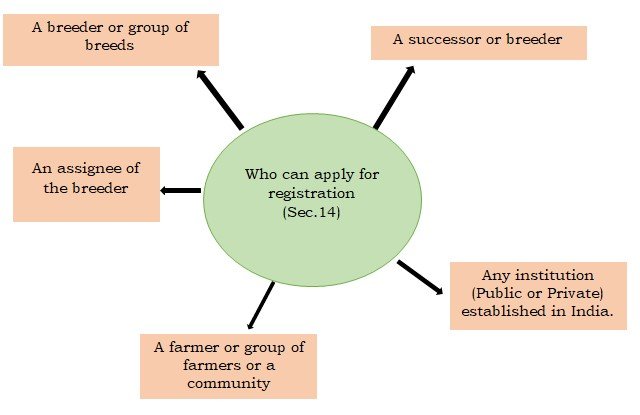
Section 14: -
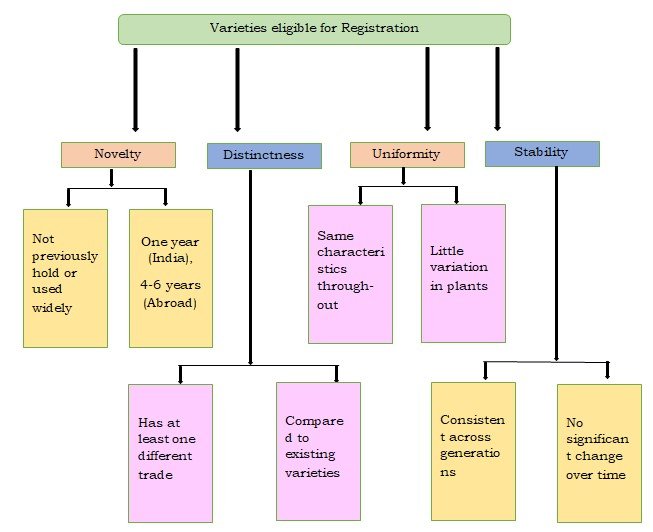
Section 15: -
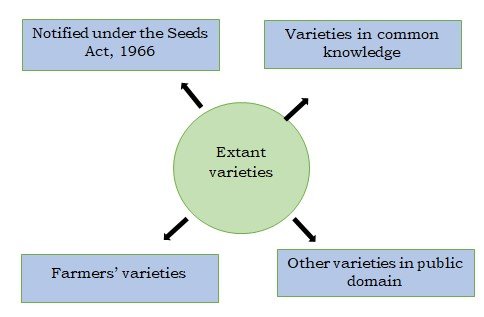
Section 15(2): -
Apart from new varieties the following can also be registered.
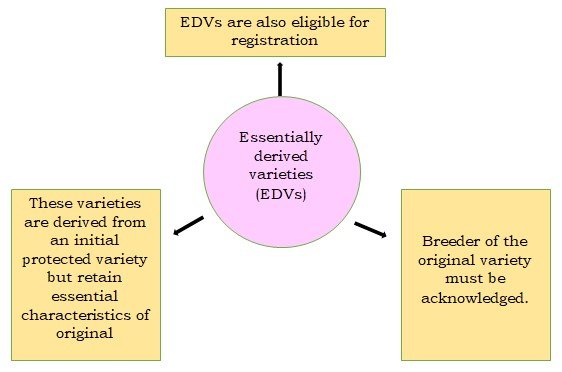
Section 15(3):
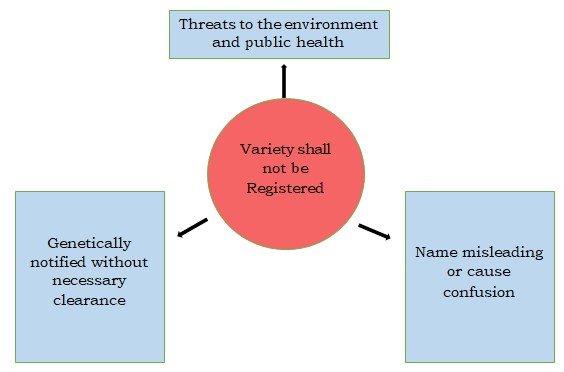
Exclusion: -
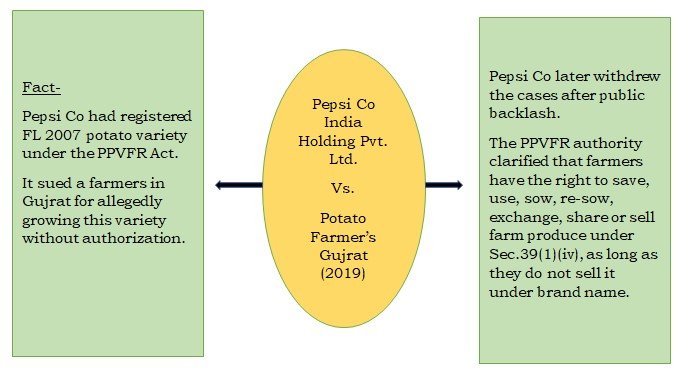
Reference Case:

we believe in a holistic approach to legal education building not just lawyers, but socially conscious leaders of tomorrow.
