Nationalism: Rabindranath Tagore
Dr. Tanmoy Mukherji
Advocate
Nationalism: Rabindranath Tagore-
Tanmoy Mukherji
Advocate
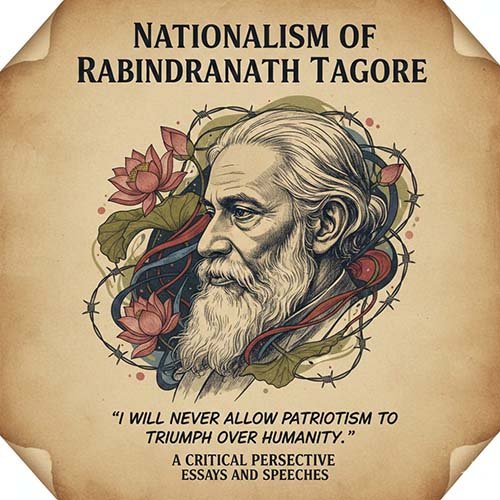
Rabindranath Tagore's idea of nationalism is deeply philosophical, humanistic and spiritual. He was one of the earliest critics of aggressive political nationalism at a time when it was rising world-wide.
Tagore's historical context-
To understand Tagore's ideas, it is important to note-
→He lived during the age of Western imperialism, World wars, and the Rise of Militant Nationalism.
→European Nationalism had turned into Militarism, racial pride and colonial exploitation.
→India was under British colonial rule, and nationalist ideas were emerging among leaders.
Tagore supported Indian freedom, but he warned against imitating the European model of nationalism.
Nationalism as a Political Machine-
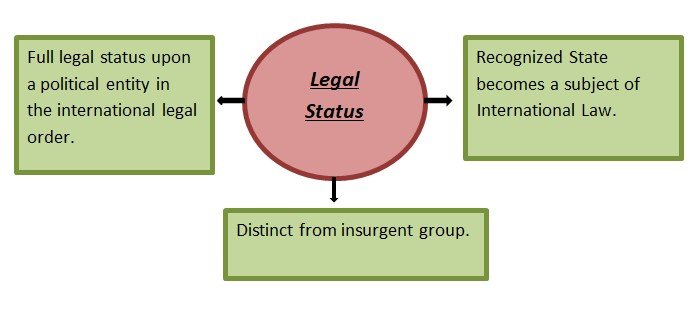
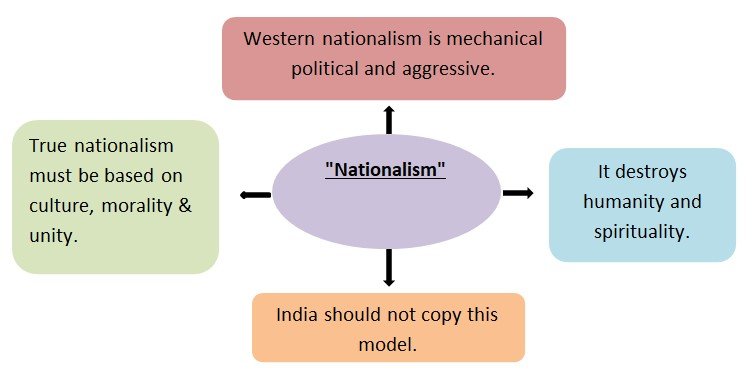
In his book Nationalism (1917), Tagore described Modern Nationalism.
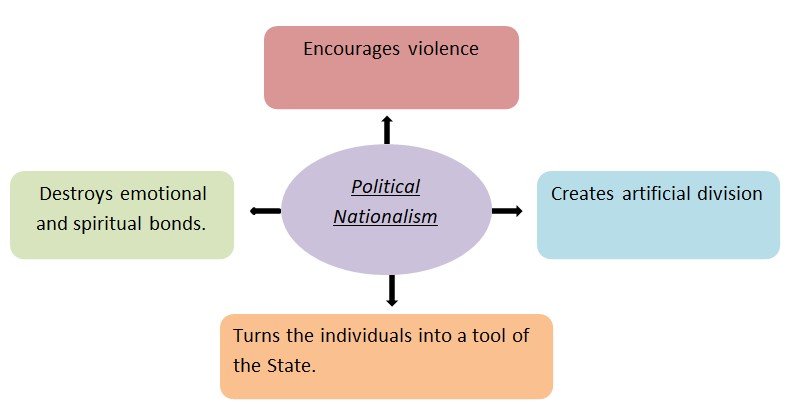
He wrote, "The Nation Is the Machine That Turns out Wealth At The Cost of Human Life"
Tagore's critique of Western Nationalism-
Tagore was especially critical of-
→German Militarism
→British Imperial Nationalism
→Japanese Nationalism
He believed Western Nationalism had-
→Reduced humanity to political blocks.
→Ignited Wars.
→Encouraged racial superiority
→Justified colonization.
He warned that India must not blindly copy this destructive model.
Difference between Patriotism and Nationalism-
Tagore made a clean distinction between patriotism and nationalism.
|
Patriotism
|
Nationalism
|
|
(i) Love for one's culture and people.
|
(i) Seeks political dominance
|
|
(ii) Promotes harmony
|
(ii) Creates hostility towards other country.
|
|
(iii) Develops moral values.
|
(iii) Ignores ethical and spiritual values.
|
|
(iv) Encourage cultural unity
|
(iv) Makes the individual subordinate to the state.
|
Tagore believed patriotism should never become aggressive nationalism.
Universal Humanism-
This is the core of Tagore's philosophy.
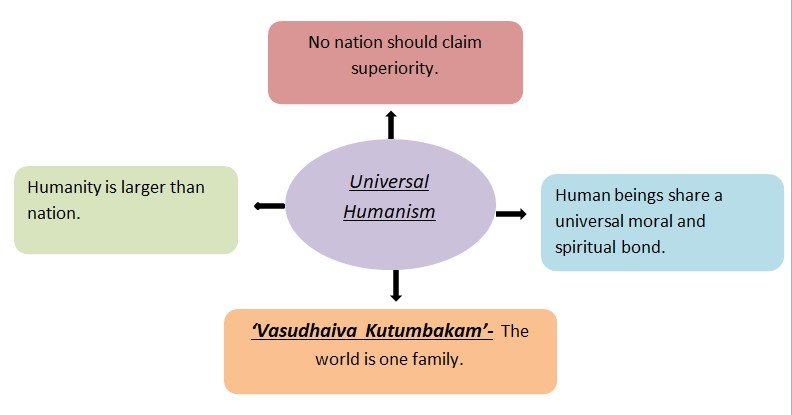
For Tagore, the ultimate loyalty must be to humanity not to a nation state.
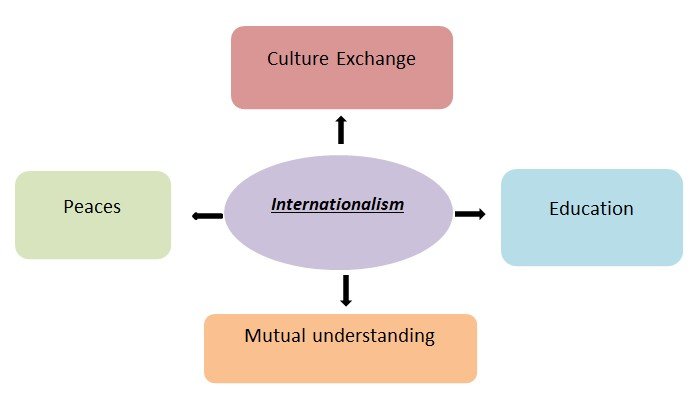
Rabindranath Tagore expressed his views on nationalism, not only through speeches but also through poems, novels, essays, songs. His literature is the best guide to understanding his philosophy of nationalism.
Tagore's book "Nationalism"-
This is his direct work on nationalism.
Gitanjali-
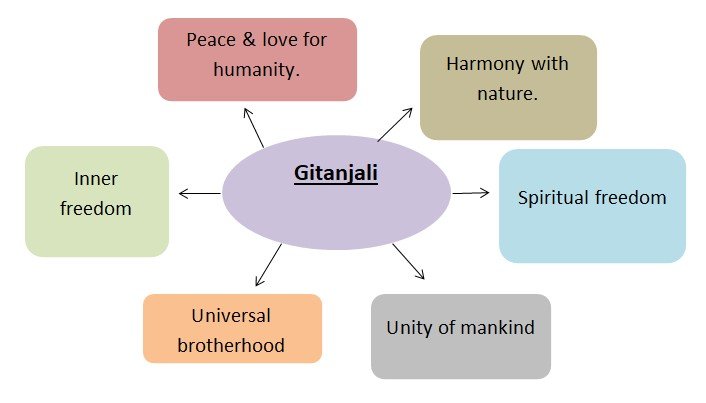
Tagore believed humanity is greater than any nation.
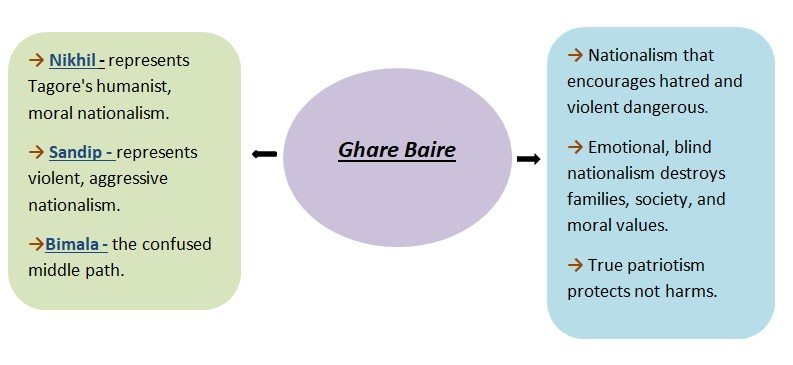
Ghare Baire-
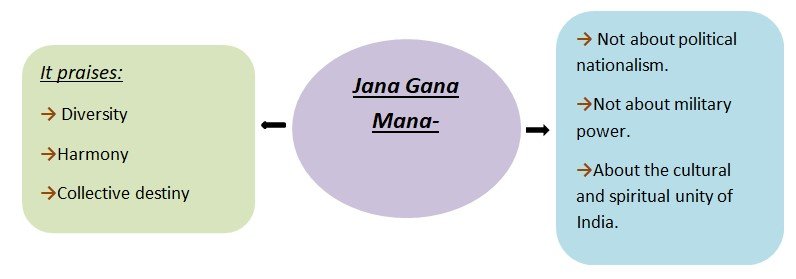
Jana Gana Mana-
Tagore wrote India's National Anthem.
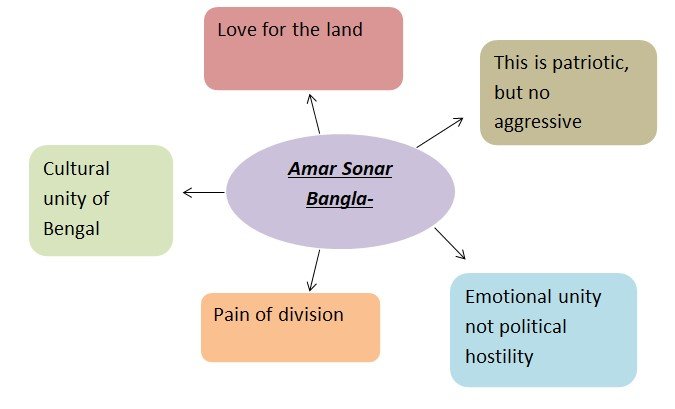
Amar Sonar Bangla-
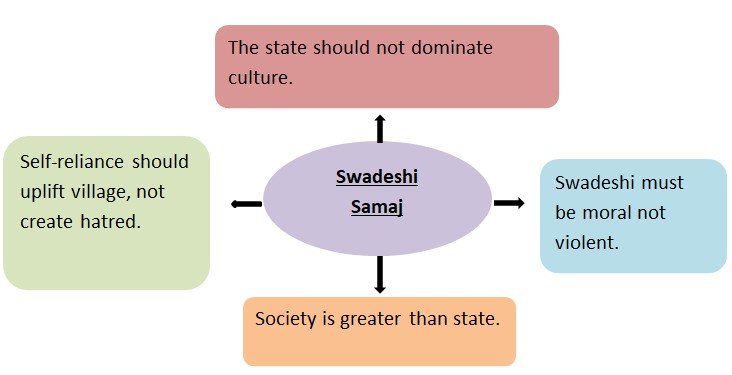
Swadeshi Samaj-
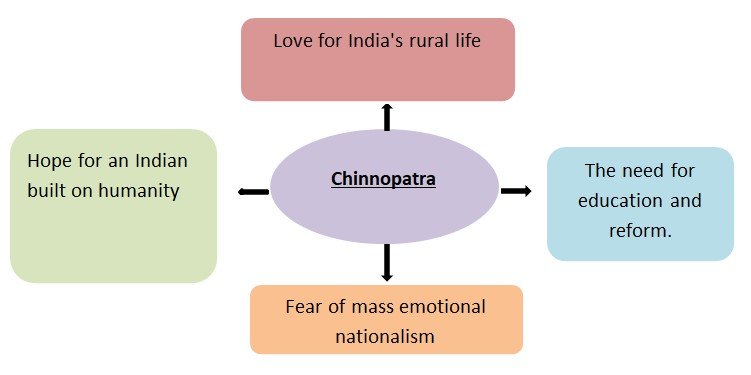
Chinnopatra-

we believe in a holistic approach to legal education building not just lawyers, but socially conscious leaders of tomorrow.
