LITERAL RULE OF INTERPRETATION
Dr. Tanmoy Mukherji
Advocate
LITERAL RULE OF INTERPRETATION-
Tanmoy Mukherji
Advocate
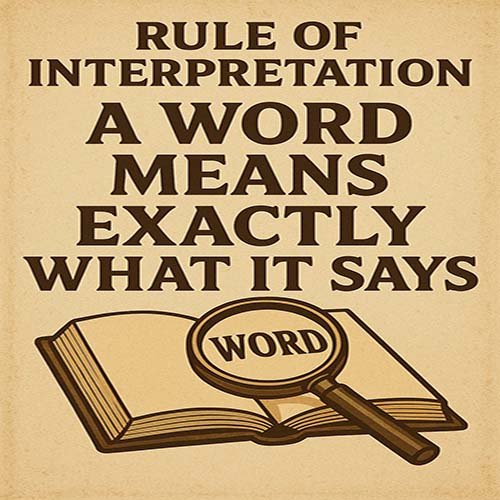
The Literal Construction, also known as the Literal Rule, Plain Meaning Rule, or Grammatical Rule, is the primary and oldest rule of statutory interpretation used by the courts. According to this rule, the words of a statute must be given their ordinary, natural, and grammatical meaning, and the court must interpret the provision exactly as it is written, without adding, omitting, or modifying any words.
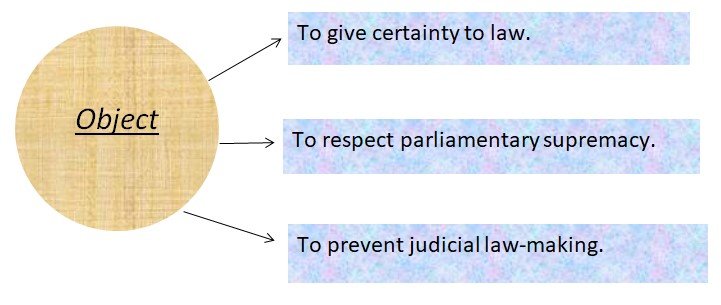
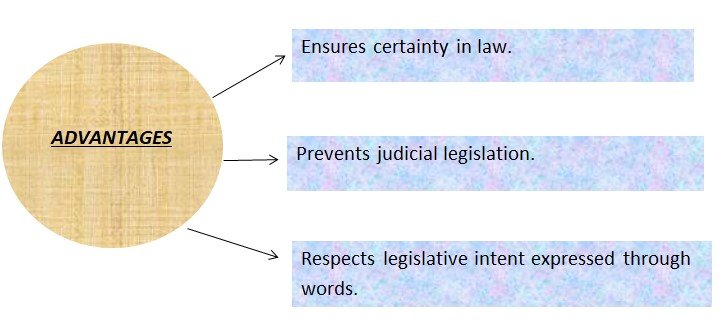
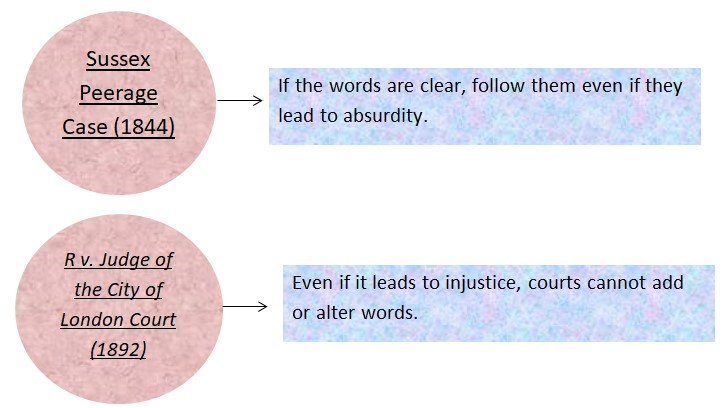
This rule is based on the principle that the intention of the legislature is best expressed through the language it uses, and therefore, when the words are clear and unambiguous, the courts are bound to apply them, even if the result seems harsh, unjust, or undesirable. It ensures certainty, predictability, and respect for legislative supremacy, preventing judges from making law under the guise of interpretation.
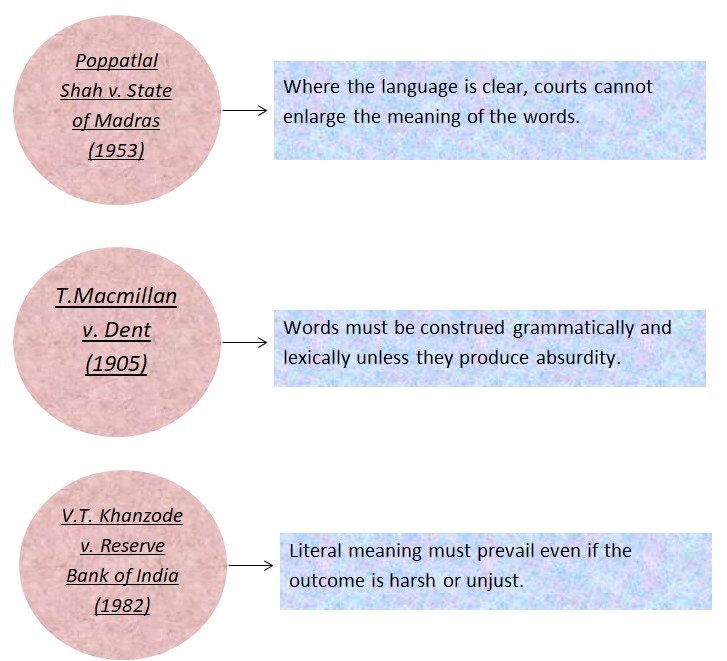
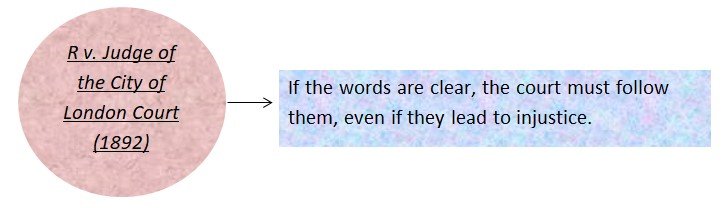
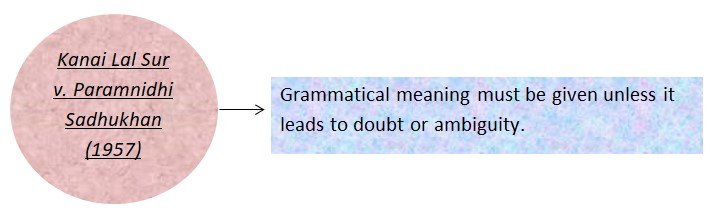
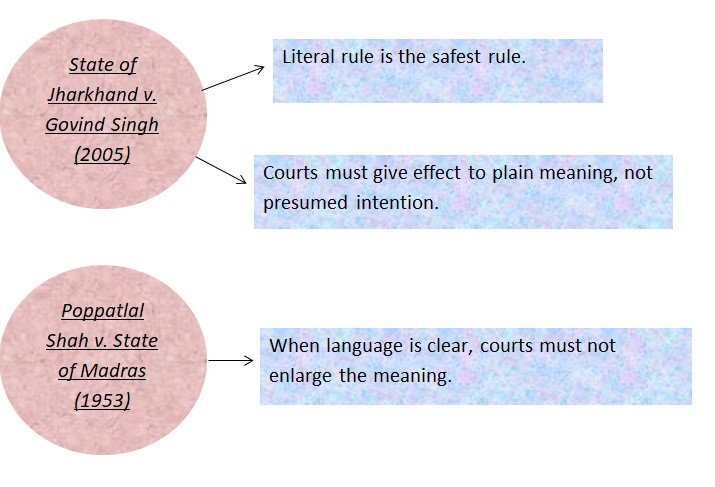
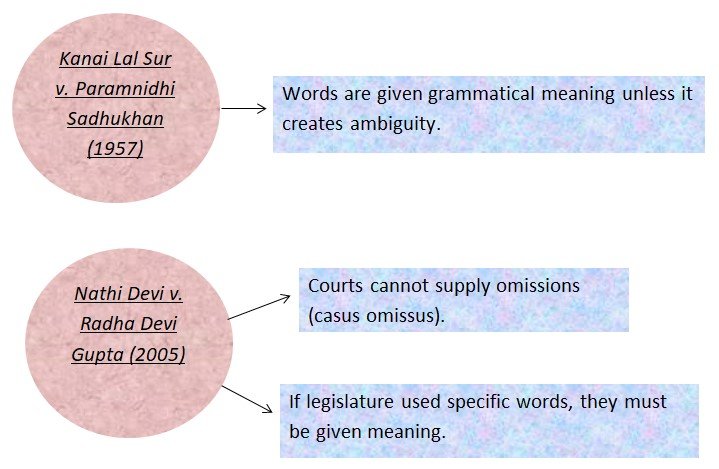
Landmark cases like Crawford v. Spooner (1846), Poppatlal Shah v. State of Madras (1953) and State of Jharkhand v. Govind Singh (2005) reaffirm that courts must interpret statutes according to their plain meaning and cannot supply omissions or alter the language.
OBJECTIVE-
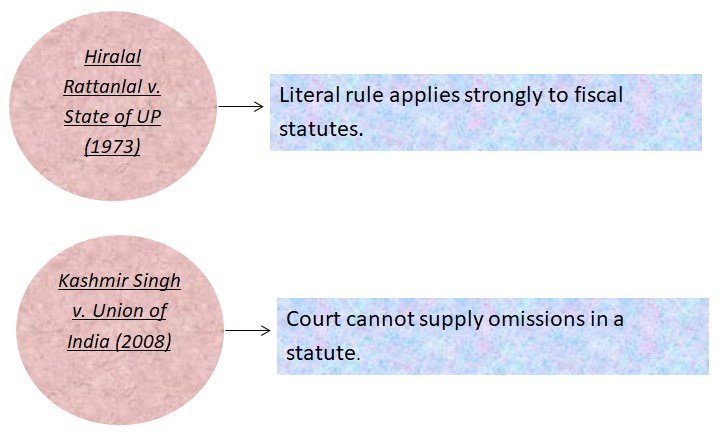
Reference Cases-

ADVANTAGES OF LITERAL RULE-
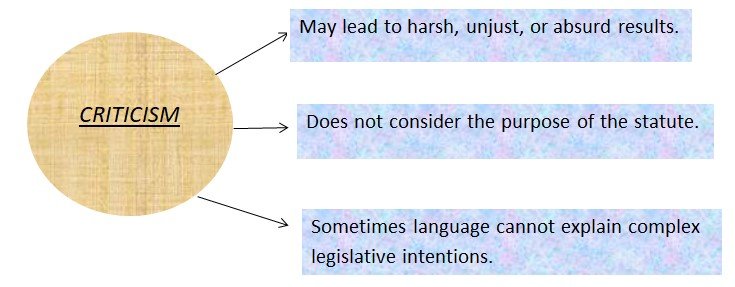
LIMITATIONS / CRITICISM-
WHEN COURTS DEPART FROM LITERAL RULE?
1. When literal meaning leads to absurdity
→ Courts may use the Golden Rule.
2. When literal meaning defeats the purpose of the Act
→ Courts use Mischief Rule or Purposive Interpretation.
3. When words are ambiguous
→ Aids of interpretation can be used.





SPECIAL AREAS WHERE LITERAL RULE IS STRICTLY APPLIED-
1. Penal Statutes- Must be interpreted strictly.
Mathai Verghese (1987)
Tolaram Relumal v. State of Bombay (1954)
2. Tax Statutes- Always literal.
A.V. Fernandez (1957)
Keshavji Ravji (1990)

we believe in a holistic approach to legal education building not just lawyers, but socially conscious leaders of tomorrow.
