Intergenerational Equity
Dr. Tanmoy Mukherji
Advocate
Intergenerational Equity-
Tanmoy Mukherji
Advocate

Intergenerational Equity is a legal and ethical principle which holds that every generation is only a custodian of natural resources and must use them in a manner that does not prejudice the rights and interests of future generation.
The present generation acts as trustee not an absolute owner of the environment.
Foundation-
The doctrine was systematically developed by Edith Brown Weiss, who emphasized that-
“Each generation has a right to inherit a planet in a condition comparable to that enjoyed by previous generation.”
-In simple words, we should not exhaust or destroy resources today at the cost of tomorrow's generation.
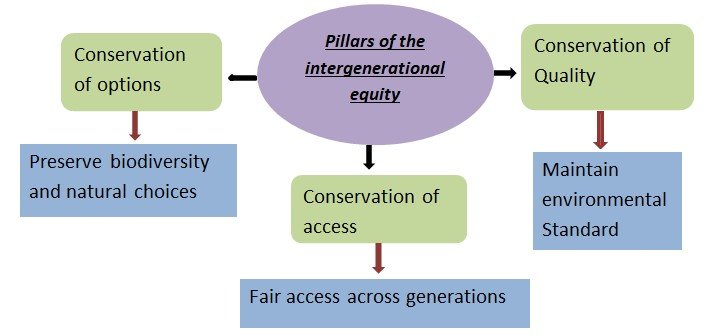
Relationship with other environmental principles-
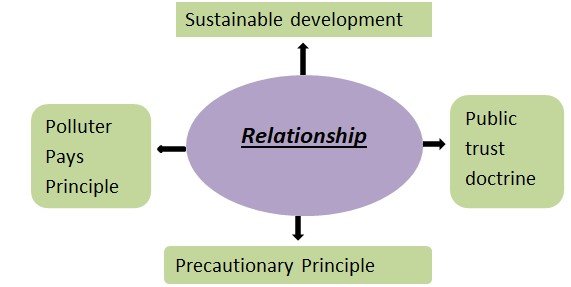
Intergenerational equity acts as the philosophical backbone of these doctrines.
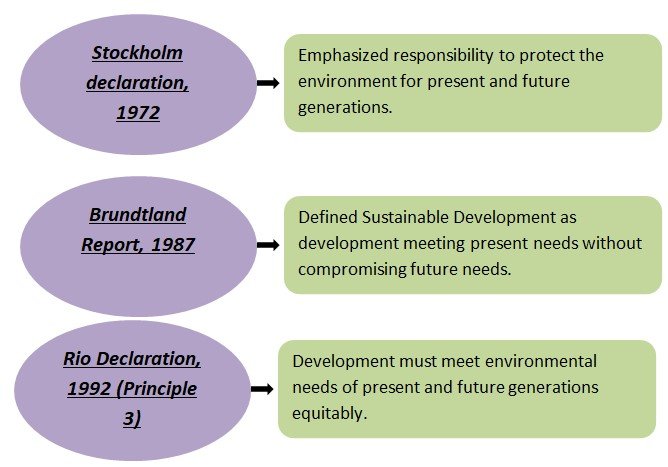
International Recognition-
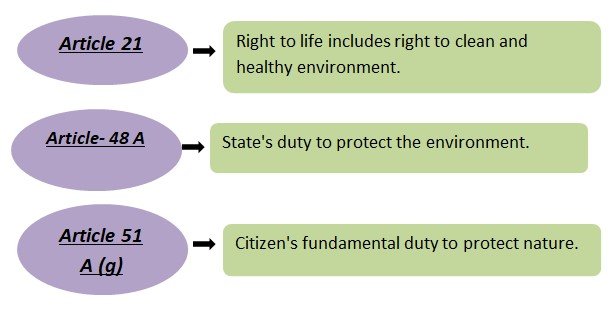
Intergenerational Equity in Indian Constitution-
Though not explicitly mentioned, it is judicially read into the constitution.
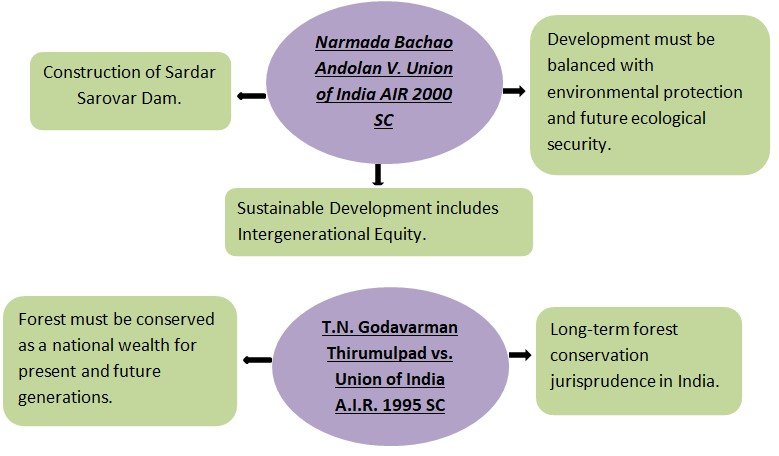
Reference Cases-
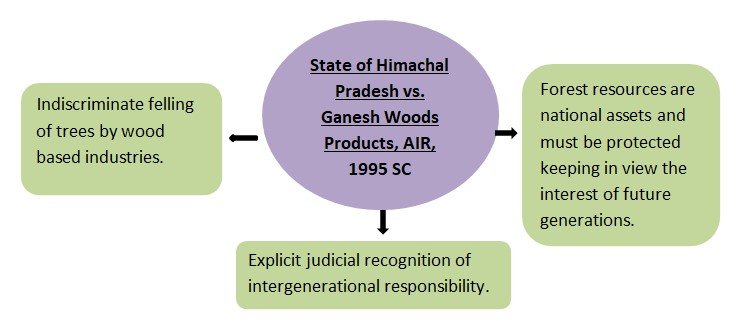
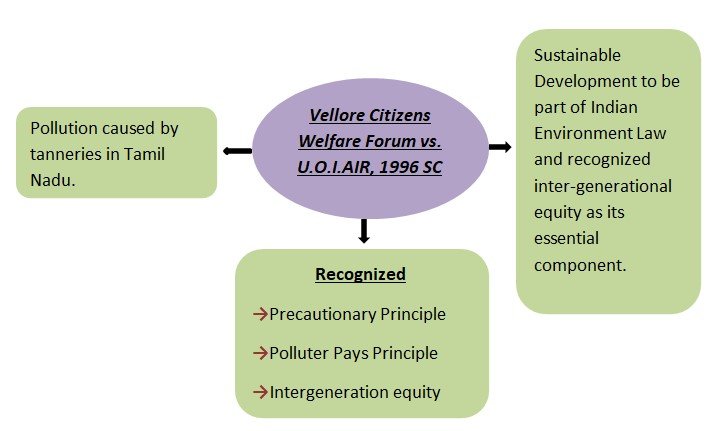
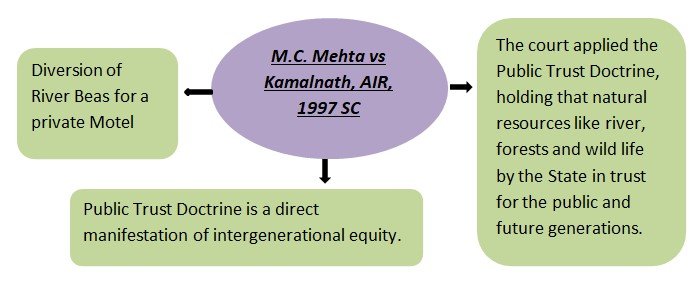
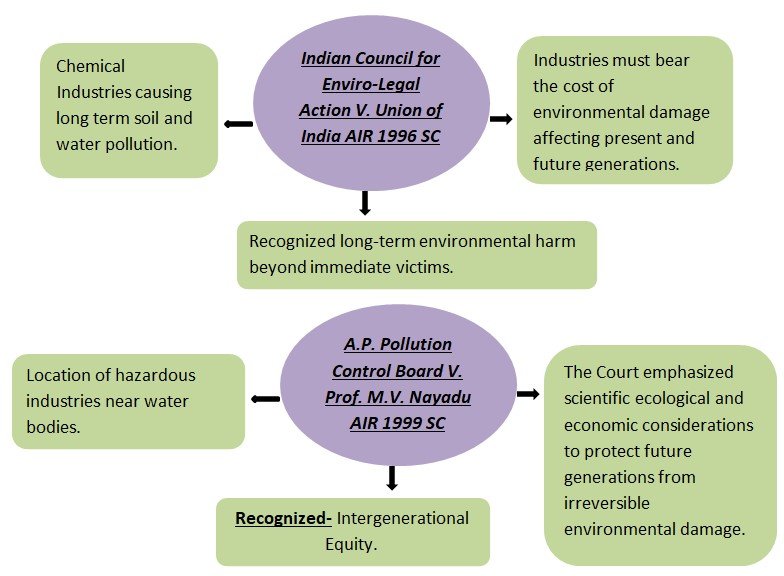
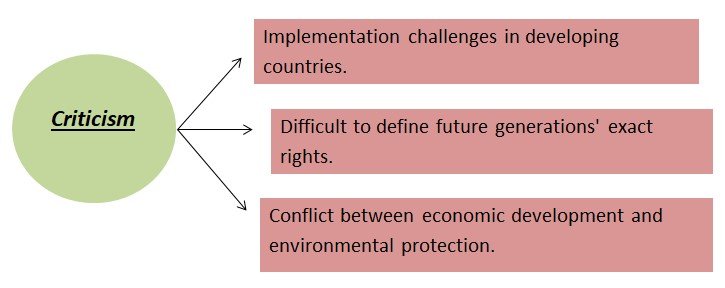
Criticism-
Inter-generational equity transforms environmental protection from a policy choice into a constitutional obligation. Indian judiciary has consistently treated natural resources as a shared inheritance, ensuring that development today doesn't become deprivation tomorrow.

we believe in a holistic approach to legal education building not just lawyers, but socially conscious leaders of tomorrow.
