How is the amount of compensation payable to an injured employee calculated under the Employees’ Compensation Act, 1923?
Dr. Tanmoy Mukherji
Advocate
How is the amount of compensation payable to an injured employee calculated under the Employees’ Compensation Act, 1923?
Tanmoy Mukherji
Advocate
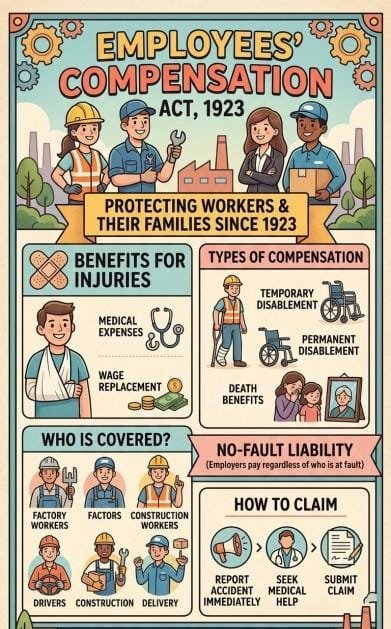
The Employees’ Compensation Act, 1923 is a social welfare legislation enacted to provide speedy and adequate compensation to employees who suffer injury, disablement, or death due to accidents arising out of and in the course of employment. The calculation of compensation is governed mainly by Section 4, read with Schedules I and IV of the Act.
→The Act adopts a formula-based method to ensure certainty, uniformity, and fairness.
Statutory Provisions Governing Calculation
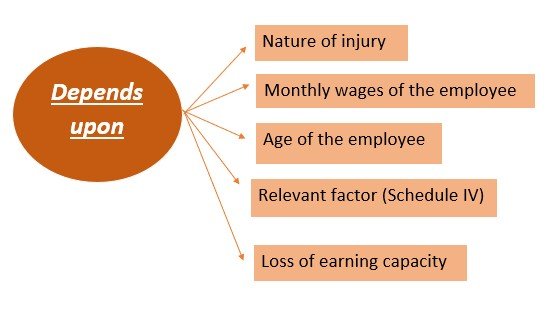
The amount of compensation depends upon:
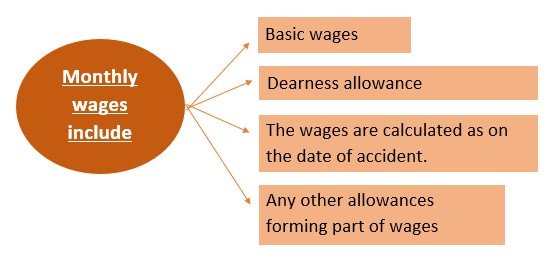
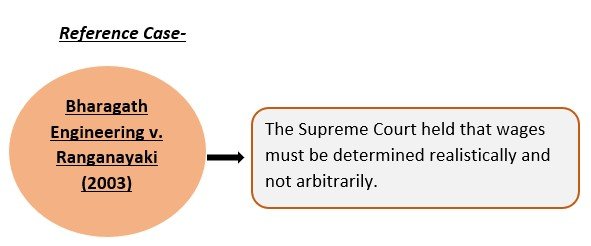
I. Monthly Wages – Section 2(1)(m)-
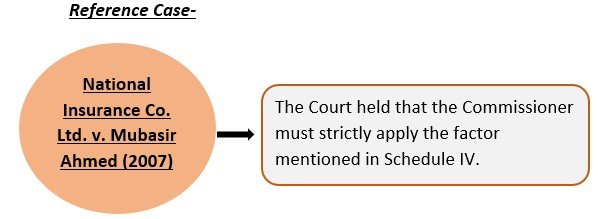
II. Relevant Factor – Schedule IV
Schedule IV contains a table assigning a multiplier (factor) based on the age of the employee at the time of accident.
→Younger age → higher factor
→Older age → lower factor
III. Nature of Injury and Compensation Formula-
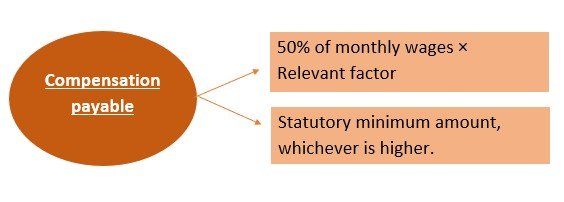
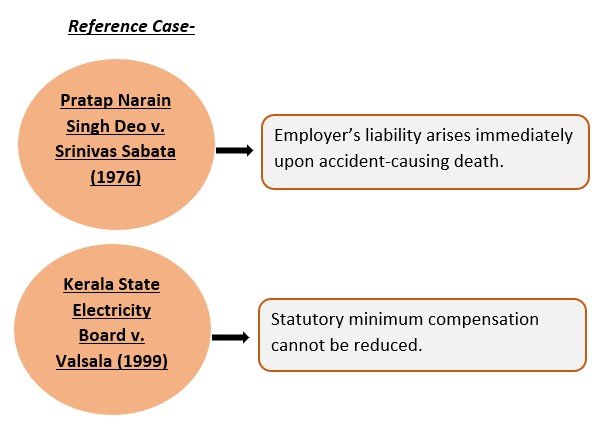
1. Death – Section 4(1)(a)
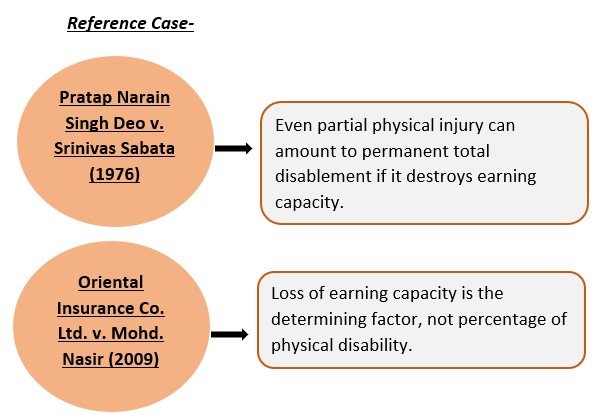
2. Permanent Total Disablement – Section 4(1)(b)
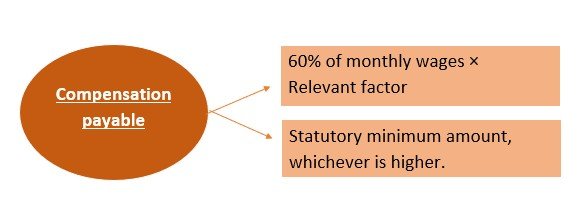
Permanent total disablement includes injuries listed in Schedule I, Part I, such as:
→Loss of both hands
→Loss of both eyes
→Total paralysis
3. Permanent Partial Disablement – Section 4(1)(c)
(a) Scheduled Injuries (Schedule I, Part II)
Compensation is calculated as:
→Specified percentage of compensation payable for permanent total disablement
Example:
→Loss of one thumb = 30% loss of earning capacity→ 30% of PTD compensation.
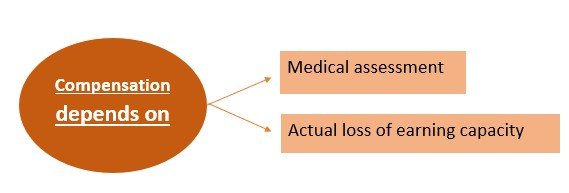
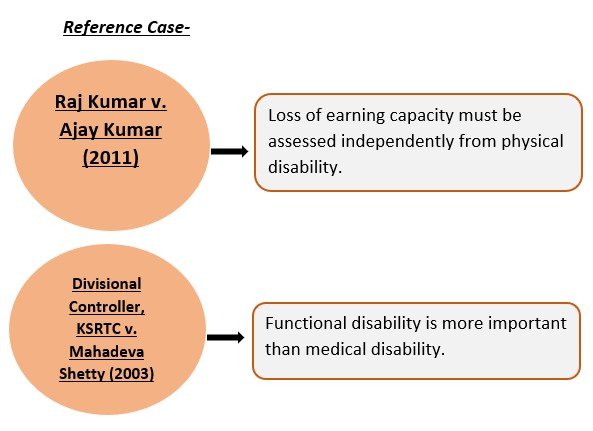
(b) Non-Scheduled Injuries
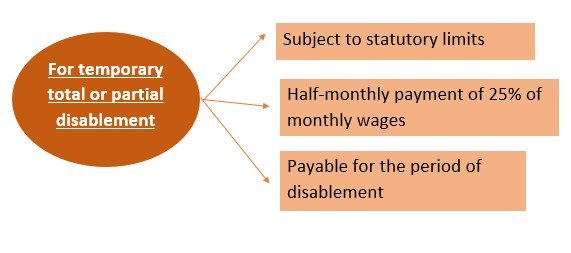
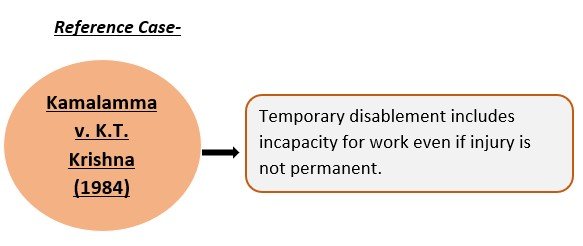
4. Temporary Disablement – Section 4(1)(d)
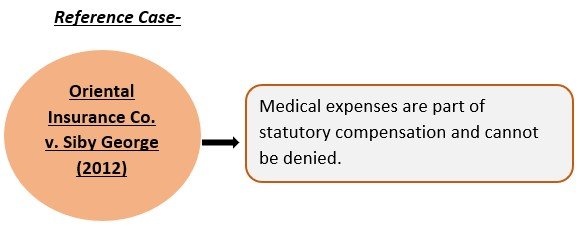
IV. Medical Expenses – Section 4(2A)
Employer must reimburse:
→Actual medical expenditure incurred for treatment of injury.
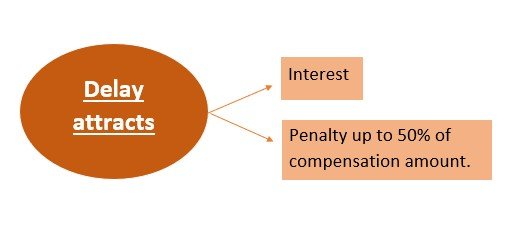
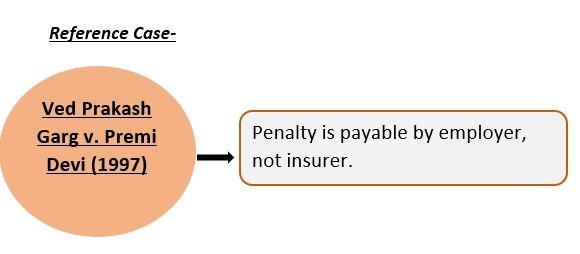
V. Interest and Penalty – Section 4A-
→Compensation must be paid within one month of accident.
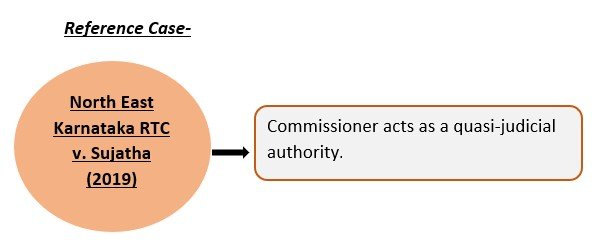
VI. Role of Commissioner
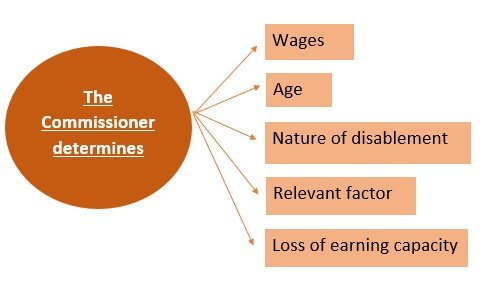
The Employees’ Compensation Act, 1923 adopts a scientific, structured, and humane method for calculating compensation. By linking compensation to wages, age, injury, and earning capacity, the Act balances the interests of both employer and employee while fulfilling its objective of social justice.

we believe in a holistic approach to legal education building not just lawyers, but socially conscious leaders of tomorrow.
