Directors are the Brain of Company
Dr. Tanmoy Mukherji
Advocate
Directors are the Brain of Company-
Tanmoy Mukherji
Advocate

A company is an artificial legal person. It has no physical body, mind, or intelligence of its own. Therefore, it acts through human beings.
→The Board of Directors functions as the brain, mind, and controlling authority of the company.
→In H.L. BOLTON (Engineering) Co. Ltd. Vs. T.J. Graham & Sons Ltd., Lord Denning stated:
"A company may in many ways be likened to a human body.”
He explained that directors and managers constitute the "directing mind and will" of the company.
Appointment of Directors-
The appointment of directors is primarily governed by the provisions of the Companies Act, 2013. Since a company acts through its directors, proper appointment is essential for the validity of corporate decisions.
Meaning of Directors-
Section 2(34) of the Companies Act defines a director as: "A director appointed to the Board of a Company.
"The Board of Directors collectively manages the affairs of the company.
Methods of Appointment of Directors-
First Directors-
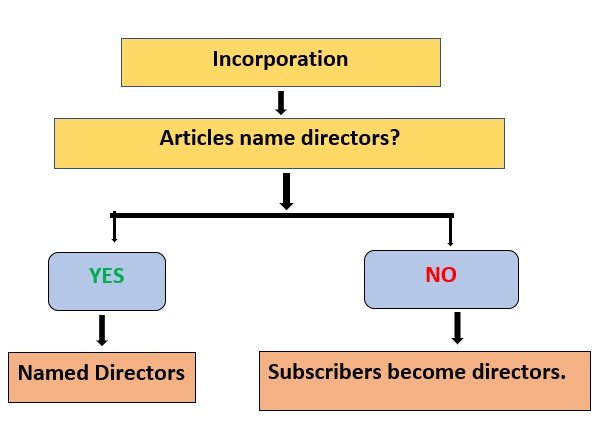
According to Sec 152, the first directors are usually named in the Articles of Association (AOA).
If the articles do not name any directors:
→Subscribers to the Memorandum become the first directors.
→They hold office until directors are formally appointed at the first general meeting.
Flow Chart-
Appointment by shareholders in general meeting-
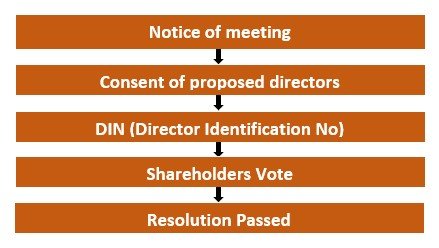
According to sec 152 sub sec 2, directors are generally appointed by shareholders through an ordinary resolution.
Procedure-
Reference Case-

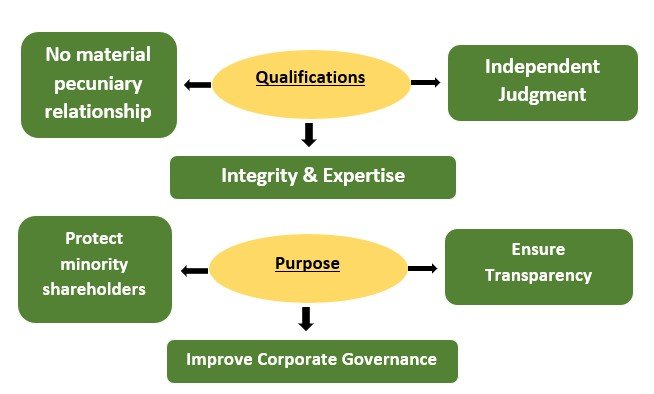
Appointment of Independent Directors-
According to sec 149 (4), certain classes of companies must appoint Independent Directors.
Appointment of Addition directors-
According to sec 161(1) the Board may appoint an additional Director if authorized by the Articles.
Tenure → Holds office up to next Annual General Meeting (AGM).
Flow Chart-

Appointment of Alternate Directors-
According to sec 161 (2) an Alternate Director may be appointed when a director is absent from India for at least 3 months.
Features-
→Acts in place of the original director.
→Vacates office upon return of the original director.
Appointment of Nominee Director-
According to sec 161 (3) a financial institution, lender, government or investor may nominate a director.
Example- Banks frequently nominate directors on companies receiving substantial loans.
Reference Case-

Appointment of Directors to fill Casual Vacancy-
According to sec 161 (4) a casual vacancy arises because of-
→Death
→Resignation
→Disqualification
The board may fill the vacancy.
Tenure- The new director serves the remaining term of the original director.
Appointment by small shareholders-
According to sec 151 listed companies may appoint a small shareholders director.

Appointment by the Tribunal-
According to sec 242 the Tribunal may appoint directors in cases of-
→Oppression
→Mismanagement
Reference Case-

Director Identification No. (DIN)-
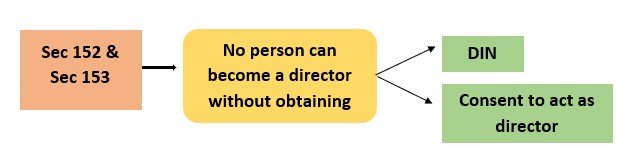
Flow Chart-

Qualification of Directors-
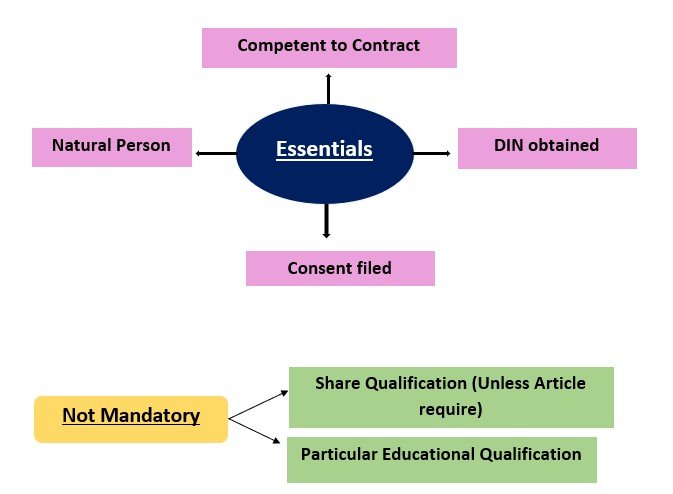
Disqualification of Directors-
Sec 164 — A person cannot be appointed if-
→Undischarged Insolvent
→Unsound mind
→Convicted of specified offences
→Has not obtained DIN
→Disqualified by Court.
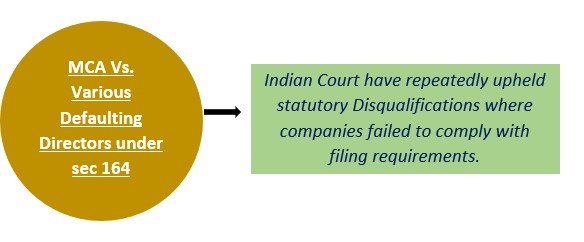
Reference Case-
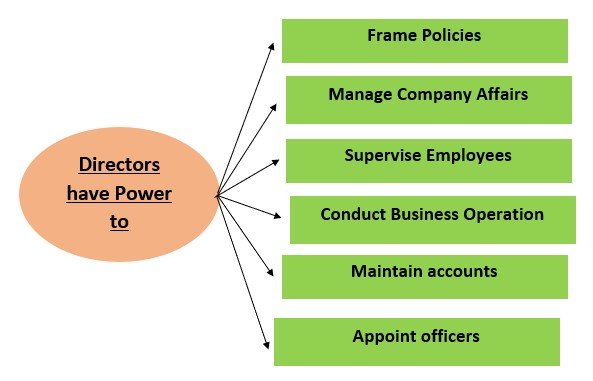
Power of Directors-
A company is an artificial legal person & therefore cannot act on its own. The Board of directors exercises the powers of the company & manages its affairs.
Sources of Directors Power-
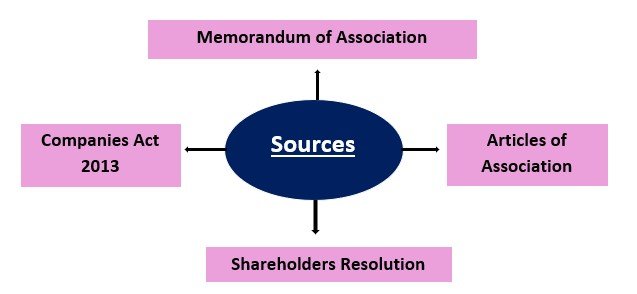
General Power of the Board-

Exceptions-
The board cannot exercise powers specifically reserved for shareholders.
Types of Powers of Directors-
Management Powers-
Financial Powers-
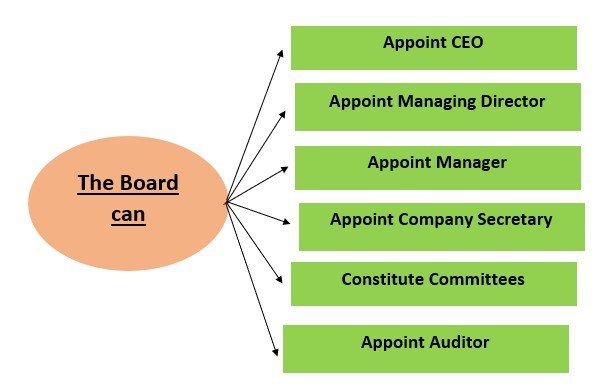
Administrative Powers-
Reference Case-

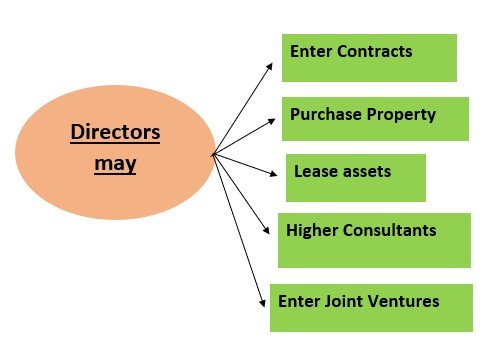
Contractual Powers-
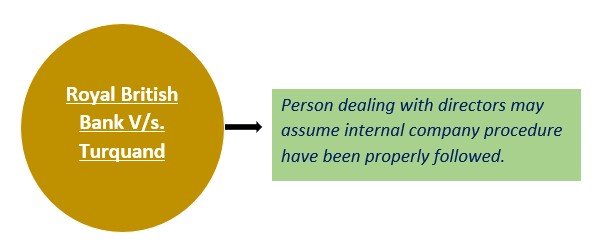
Reference Case-
Powers Requiring Board Resolution-
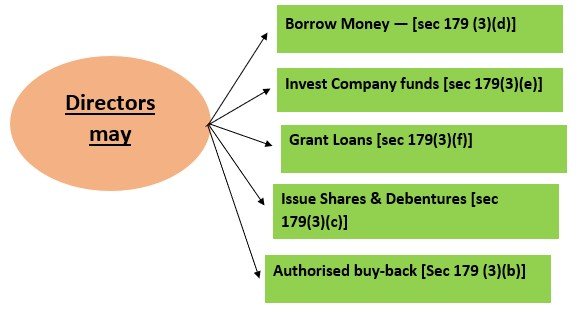
Sec 179(3) — Powers which can be exercised only through board resolution-
→Authorize buy-back
→Issue Securities
→Borrow money
→Make calls on shareholders
→Invest Company funds
→Grant Loans / Guarantees
→Approve financial statement
→Diversify Business
→Approve managers acquisitions
Powers Requiring Shareholders Approval-
Section- 180→ Certain powers require approval by Special Resolution.
Example-
Sale of Undertaking → Directors cannot sell substantially the whole undertaking without shareholders’ approval.
Borrowing beyond Limits → The borrowing beyond prescribed limits requires shareholder’s consent.
Fiduciary Nature of Directors Powers-
Directors are fiduciaries-

Reference Case-
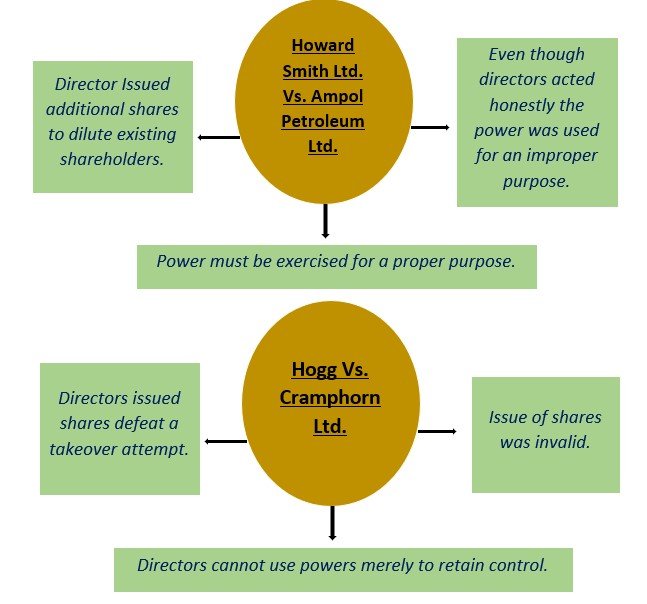
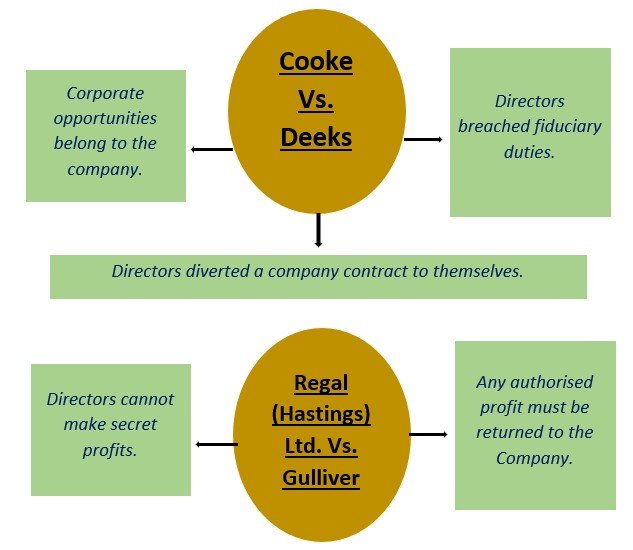
Limitations of Directors Powers-
Directors cannot-
→Committee fraud
→Act ultravires the company
→Oppressed minority shoulders.
→Divert Company Opportunities.
→Abuse powers.
→Secret profits.

we believe in a holistic approach to legal education building not just lawyers, but socially conscious leaders of tomorrow.
