Digital Signature-
TANMOY MUKHERJI INSTITUTE OF JURIDICAL SCIENCE
Dr. Tanmoy Mukherji
Advocate
Digital Signature-
Tanmoy Mukherji
Advocate
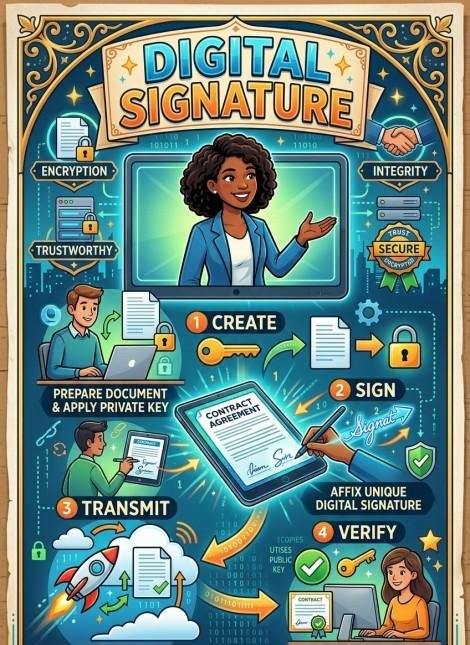

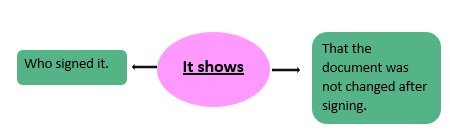
A Digital Signature is an electronic method used to verify the authenticity and integrity of a document, message, or digital file.
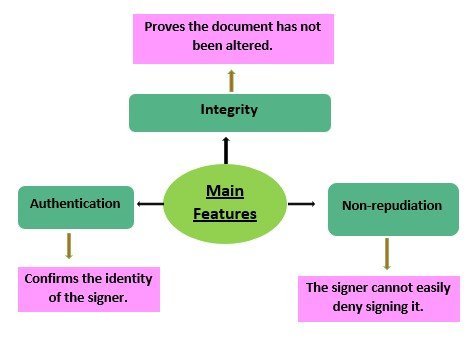
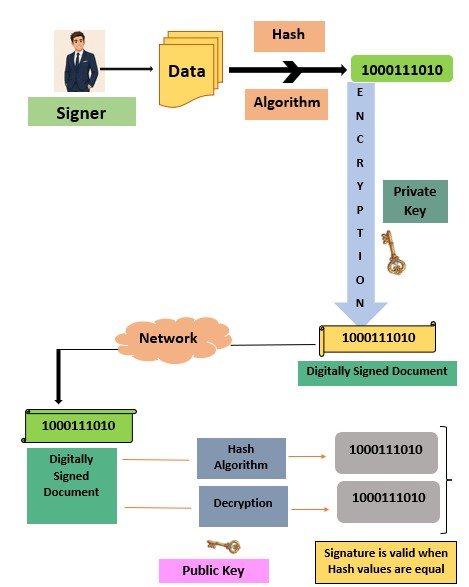
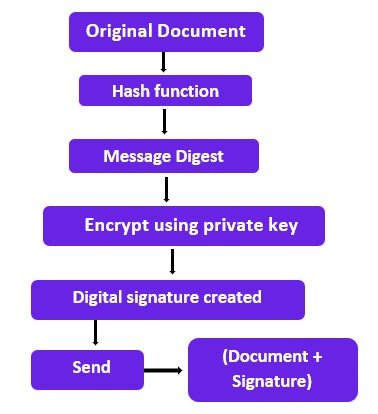
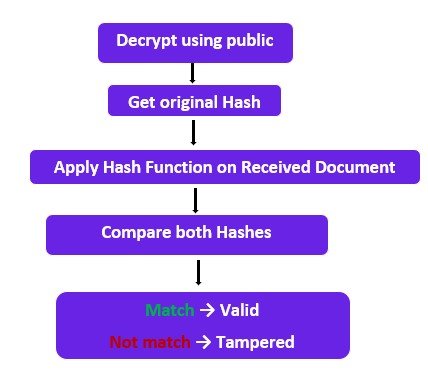
A digital signature usually works through cryptography:
→The signer uses a private key to sign.
→Others use a public key to verify the signature.
Step-by-Step (Logical clarification)
Sender Sign Side:
Receiver Side:
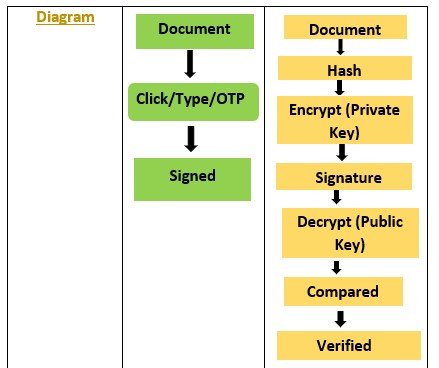
Differences between Electronic Signature and Digital Signature-
|
Basis |
Electronic Signature |
Digital Signature
|
|
Meaning |
Any electronic method used to indicate approval or consent.
|
A secure cryptographic form of electronic signature using public key and private key.
|
|
Nature |
Electronic signature is a broad concept. |
It is a specific subset.
|
|
Scope |
Not all e-signatures are digital signatures. |
All digital signatures are e-signatures.
|
|
Technology |
May or may not use encryption |
Uses cryptography.
|
|
Security |
Low to moderate. |
Very high. |
|
Verification |
Basic (E-mail, OTP, etc.). |
Strong (Certificate based).
|
|
Integrity |
Not always ensured. |
Always ensured.
|
|
Authentication |
Weak/Medium. |
Strong. |
|
Non-repudiation |
Not guaranteed |
Guaranteed. |
|
Example |
Type name, scanned signature |
DSC token, e-filing signature.
|
|
Used |
Informal agreements |
Legal and gov. documents.
|
|
Evidentiary Value |
E-Signature is Legally valid but considered weaker evidence.
|
→Digital Signature has higher evidentiary value. →Courts rely more on digital signatures. →Preferred in litigation.
|
|
Cost
|
E-Signature is Easy and low cost.
|
Requires certificates and setup. →High cost. →Requires a Digital Signature Certificate (DSC) and a Certifying Authority (CA).
|

we believe in a holistic approach to legal education building not just lawyers, but socially conscious leaders of tomorrow.
